
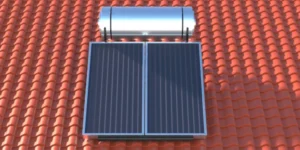

A solar geyser is one of those things South African homeowners talk about a lot but rarely fully understand before buying one. Load shedding pushed a lot of people into making quick decisions about their hot water systems, and solar water heaters suddenly moved from “nice to have” to “actually makes sense.” But there is a big gap between wanting one and knowing what you are getting into, and that gap tends to cost people money.
This guide is here to close that gap. Whether you are replacing an old electric geyser that burst, trying to cut down your electricity bill, or just exploring your options, here is what you actually need to know before spending a rand.
A solar geyser uses sunlight to heat water, which is then stored in an insulated tank for use throughout the day. It can significantly reduce your water heating costs, which typically account for 30% to 50% of a household’s electricity bill. Installation in South Africa costs anywhere from R8,000 to R35,000 depending on the system size and type. It is not a magic solution, but for most homes with good roof exposure, it pays itself off over time.
What does a solar geyser system actually involve?
Most people imagine it is just panels on the roof connected to a tank. That is broadly correct, but the details matter more than people expect.
A typical system has three components: the solar collectors (the panels that absorb heat from the sun), the storage tank (which holds the heated water), and a backup element (an electric heating element that kicks in when there is not enough sun). That last part surprises some buyers. Even the best solar water heater in South Africa will still need a backup on cloudy days or in winter. You are not completely off the grid for hot water unless you have a very large system, live in a very sunny region, or use relatively little hot water.
The collectors are mounted on your roof, ideally facing north to get the most sunlight. The tank is usually mounted either on the roof next to the collectors (a direct system) or inside the ceiling or in a utility room (an indirect system with a circulation pump). The plumber who installs it will assess your roof orientation, water pressure, and household usage before recommending a setup.
One thing most people overlook: your roof needs to be structurally sound enough to hold the weight. An older corrugated iron roof or a roof with existing damage could need reinforcement before anything gets installed. That adds cost that rarely shows up in the first quote.
Types of solar water heater systems
Not all systems work the same way, and choosing the wrong type for your situation is one of the most common and expensive mistakes homeowners make.
Flat plate collectors are the most common type used in South African homes. They are rectangular panels with a dark absorber plate inside a glass-covered frame. They work well in most climates and are the most affordable option. Expect these in entry-level to mid-range systems.
Evacuated tube collectors use rows of glass tubes, each containing a smaller inner tube. The vacuum between the tubes gives them excellent insulation, which makes them more efficient in cold or overcast conditions. They cost more upfront but outperform flat plate systems in places like Johannesburg or the Drakensberg where winters are cold. If you live in a coastal city like Durban with mild winters and consistent sun, flat plate collectors are usually fine.
Direct vs indirect systems is another distinction worth understanding. A direct system circulates your household water through the collectors. An indirect system uses a separate fluid (often a glycol mixture) to transfer heat to a heat exchanger, which then heats the water in the tank. Indirect systems are better in areas with hard water or where frost is a concern, but they cost more and require slightly more maintenance.
Thermosiphon vs pumped systems: A thermosiphon system relies on the natural circulation of water as it heats up and rises. No pump is needed, which means fewer parts to break. A pumped system (also called a forced circulation system) uses a small pump to move the heat transfer fluid and is better suited for larger homes or situations where the tank cannot be placed above the collectors.
What does it actually cost in South Africa?
This is usually the section people skip to first, and it is the most important one to read carefully.
The price range for a complete solar geyser installation in South Africa is wide because the variables are wide.
Entry-level systems (100 to 150 litre flat plate thermosiphon) typically cost between R8,000 and R14,000 installed. These are suitable for one or two people with moderate usage.
Mid-range systems (200 to 250 litre flat plate or evacuated tube) come in between R15,000 and R22,000 fully installed. This is the most common choice for average-sized South African families.
Larger or premium systems (300 litres and up, evacuated tube, or split systems with pumps) can run from R25,000 to R35,000 or more depending on the complexity of the installation and the quality of the components.
What drives the cost up:
- Roof modifications or reinforcement
- Long pipe runs between the roof and the tank
- Upgraded backup elements or smart controllers
- Indirect systems with heat exchangers
- Labour in your area (plumbers in major cities often charge more)
What people forget to budget for:
- Replacing aging pipes that get exposed during installation
- Geyser blanket or insulation for the backup tank
- Annual maintenance (draining, checking the anode rod, inspecting collectors)
- Potential SANS compliance certificates which some insurers require
The electricity savings are real, though. Most households using a solar water heater report saving between R300 and R800 per month on their electricity bill depending on household size, tariff rates, and system efficiency. At that rate, a R16,000 system could pay itself off in three to four years. A R30,000 system might take five to seven years. That math is worth doing before you sign anything.
How the installation process works
Once you have chosen a system and gotten quotes from a certified plumber (look for someone registered with the Plumbing Industry Registration Board or PIRB), here is roughly what to expect.
The plumber will first do a site assessment to check your roof angle, orientation, available space, existing geyser setup, and water pressure. If you have a standard setup and a good north-facing roof, this usually takes under an hour.
Installation itself takes one full day for most standard systems. The collectors get mounted on the roof using brackets. Pipes are run from the collectors to the storage tank. If you are replacing an existing electric geyser, it either gets removed or retained as the backup element tank depending on the system type. The backup electrical element gets wired in and a thermostat or controller is set up.
After installation, the plumber should pressure test the system, check for leaks, and show you how the backup element works and how to adjust the thermostat. You should receive a compliance certificate for the work.
That is where things go wrong more often than you would expect. Some installers rush the job, skip the pressure test, or do not properly insulate the pipe connections on the roof. Problems from this often only show up months later, usually right before winter when demand on the system spikes.
Common mistakes when going solar for hot water
Buying a system that is too small is probably the most common error. A 150 litre system sounds reasonable until you realise that a family of four, each taking a shower and doing dishes, can easily use 200 litres of hot water on a winter morning. Size up slightly rather than down.
Installing without checking your roof orientation is another one. A south-facing roof in South Africa gets very little useful sun. If your roof is not broadly north-facing, either with some east or west tolerance, the system will underperform and you will still be running the backup element constantly.
Going with the cheapest quote without checking the installer’s credentials is a risk that catches people out regularly. A poorly installed system can leak, produce lukewarm water, or void your home insurance if the work is not certified.
Not maintaining the system at all is something plenty of homeowners are guilty of. A solar water heater needs an annual check of the anode rod, panel cleanliness, and fluid levels in indirect systems. Neglecting this shortens the lifespan of the system significantly.
How to choose the right system for your home
Here is what actually matters when making this decision.
Household size and usage: Count the number of people who regularly use hot water. Two people can usually manage with a 150 litre system. Three to four people need at least 200 to 250 litres. Families of five or more should look at 300 litres and up.
Your location and climate: Durban gets consistent sun year-round and rarely frosts, so a flat plate thermosiphon is usually fine. Johannesburg and Pretoria get great sun but cold winters, so evacuated tube systems or indirect systems with frost protection are worth the extra cost. The Western Cape has a wet, cold winter and good summer sun, so your sizing and system choice should account for seasonal variation.
Your roof: North-facing, unshaded, and structurally sound. If yours does not meet all three criteria, get a professional assessment before committing to any system.
Your budget and payback expectations: If your budget is tight, a smaller entry-level system that meaningfully reduces your bill is better than stretching for a premium system that takes ten years to pay off.
Backup power situation: During extended load shedding, your backup element will not heat water if there is no electricity. Some homeowners add a timer or small inverter setup to manage this, but that is a separate cost and decision.
Real-world scenarios
Small household (one to two people), Cape Town: A 150 litre flat plate thermosiphon with a north-facing roof will comfortably cover most of your hot water needs in summer and around 60% to 70% in winter. Monthly savings could be R250 to R400.
Family of four, Johannesburg: A 200 to 250 litre evacuated tube system with frost protection is the right fit here. Higher upfront cost, but better winter performance. Monthly savings in the R500 to R800 range are realistic once the system is running properly.
Large family, Durban: A 300 litre flat plate system works well given the climate. Usage patterns matter more here. If the family showers at different times spread throughout the day, the system reheats between uses and performs very well. If everyone showers in the evening after the panels have stopped collecting, a larger tank or a properly sized backup element is essential.
Installing a solar geyser is one of the few home improvements in South Africa that genuinely pays for itself over time while also making you less dependent on Eskom. That said, it is not a small decision and it is not a one-size-fits-all solution. The people who get the best results are the ones who take the time to match the system size and type to their actual household, use a certified installer, and build in a realistic expectation for the first year while the system settles in.
The people who end up disappointed usually bought too small, ignored their roof orientation, or went with the cheapest quote they could find. It is worth doing it properly from the start.