
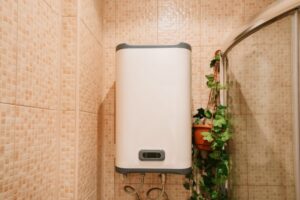

A gas geyser has become one of the more popular alternatives to the standard electric tank geyser in South Africa, and honestly, it is not hard to see why. When the lights go out and the electric geyser switches off with them, a gas-powered unit keeps running. For anyone who has stood shivering under a cold shower during load shedding, that alone is enough to start asking questions. But switching to gas is not as simple as swapping one unit for another, and there are costs, considerations, and practical realities that most people do not fully understand before they commit.
This guide covers the full picture: what a gas water heater actually involves, the different types available, what installation really costs in South Africa, and how to figure out whether it is the right choice for your specific situation. If you are on the fence or just starting to research, this should give you everything you need to make a proper decision.
A gas geyser heats water on demand using LPG (liquefied petroleum gas) or natural gas, with no storage tank required in most setups. It gives you hot water as long as you have gas, which makes it independent of Eskom. Installation costs in South Africa typically range from R5,000 to R20,000 depending on the unit size, gas supply setup, and installation complexity. It is a practical option for many households, but it does come with ongoing gas costs and specific safety requirements that you need to factor in.
What does a gas water heater system actually involve?
The basic concept is straightforward. Instead of heating a tank of water with an electrical element, a gas unit heats water as it flows through the system. You turn on a tap, water flows through the unit, gas ignites, and hot water comes out. Most modern units ignite automatically when flow is detected, so there is no pilot light to worry about.
What makes this different from a standard electric geyser is that there is no stored hot water. You get hot water continuously as long as the gas supply holds and the tap is running. This is called an instantaneous or tankless system. There are some gas units with storage tanks, but the instantaneous type is far more common in South African homes and is what most people mean when they talk about a gas geyser.
The gas itself comes from LPG cylinders (the standard 9kg or 19kg gas bottles you can buy from hardware stores, garages, and gas suppliers) or from a piped natural gas connection if you are in an area where that is available. Most suburban homes use LPG cylinders. You will need at least one cylinder connected to the unit via a regulator and a certified gas pipe installation.
One thing people do not always think about upfront: gas installations in South Africa must comply with SANS 10087, the national standard for the handling of flammable liquids and liquefied petroleum gas. This means the installation has to be done by a registered LP Gas installer, and you should receive a Certificate of Conformity for the work. Without this, your home insurer may not cover gas-related incidents.
Types of gas water heating systems
Not all gas units are the same, and picking the wrong one for your household size is a mistake that comes up more often than it should.
Instantaneous gas geysers are the most common choice for South African homes. They heat water on demand with no storage tank. The key spec to understand is the flow rate, which is measured in litres per minute. A unit that delivers 10 to 12 litres per minute can comfortably serve one shower at a time. A unit delivering 16 to 20 litres per minute can handle a shower and a basin running simultaneously. Most manufacturers label their units by kilowatt output, which ranges from around 10kW for a small unit to 26kW or more for a high-output unit. The higher the kW, the more hot water it can deliver per minute, and the more gas it burns.
Storage gas geysers combine a gas burner with an insulated tank, similar to an electric geyser but powered by gas. These are less common in residential use but can make sense in situations where steady flow rate and buffer capacity matter more than space saving. They are bulkier and typically cost more than instantaneous units.
Indoor vs outdoor units is a distinction worth making early. Gas geysers produce combustion gases, which means they need proper ventilation. Outdoor-rated units are designed to be mounted on an exterior wall, which makes ventilation simple. Indoor units can be installed inside under specific conditions but require flue systems to vent combustion gases outside. Getting this wrong is a safety issue, not just a compliance one. Most plumbers and gas installers in South Africa recommend outdoor installation where possible.
LPG vs natural gas units are not interchangeable. A unit set up for LPG will not work correctly on natural gas and vice versa. If you are in a Johannesburg suburb with access to Egoli Gas, for example, a natural gas unit can be connected to the grid. For everyone else, LPG is the standard.
What does it actually cost in South Africa?
This is where people get surprised, usually in both directions. The unit itself can be quite affordable. Installation is where the numbers climb.
Unit costs: A small 10kW to 12kW instantaneous unit suitable for a small household or a single bathroom costs between R2,500 and R5,000 depending on the brand and retailer. A mid-range unit in the 16kW to 20kW range, suitable for a family home, runs from R4,500 to R9,000. High-output units above 20kW can reach R12,000 to R16,000 or more. These are unit-only prices and do not include anything else.
Installation costs: A straightforward gas geyser installation by a registered LP Gas installer typically costs between R2,500 and R6,000. This includes the unit mounting, gas pipe run, regulator fitting, and Certificate of Conformity. If the pipe run is long, the wall penetration is complicated, or the location requires a flue system, costs go up. It is not unusual for a full installation including the unit, gas pipe work, cylinder manifold setup, and compliance certificate to come to R10,000 to R18,000 in total.
Ongoing gas costs: A 19kg LPG cylinder currently costs between R380 and R500 depending on supplier and region. How long it lasts depends entirely on how much hot water your household uses. A single person or couple might get four to six weeks from a cylinder. A family of four using the gas geyser as the primary hot water source might go through one every two to three weeks. Budgeting R400 to R800 per month for gas is realistic for an average-sized family.
Hidden costs to expect: Cylinder cages or secure storage for your gas bottles are often required by insurers and local bylaws. A dual-cylinder manifold (which lets you run two cylinders and automatically switch when one runs out) costs R800 to R1,500 but is worth it to avoid suddenly running out of gas mid-shower. Connecting a pressure regulating valve and ensuring water pressure is adequate for the unit to ignite properly sometimes adds another few hundred rand to the job.
How the installation process works
The process starts with choosing your unit and hiring a registered LP Gas installer. Do not skip the “registered” part. An unregistered installer cannot issue you a Certificate of Conformity, and without that certificate you may have trouble with insurance claims if something goes wrong later.
The installer will assess the proposed installation location, check your water pressure (most gas units require a minimum pressure to trigger ignition, typically around 150kPa), and plan the gas pipe route from the cylinder location to the unit. They will mount the unit, connect it to the water supply, run the gas pipe, fit the regulator, and test the system. A proper installer will check for gas leaks using a detector before handing anything over.
If you are replacing an existing electric geyser, the installer may disconnect the old unit or leave that to a plumber depending on the scope of work. In some cases, homeowners keep the electric geyser as a backup or upgrade to a solar system on the same project. It depends on your setup and budget.
After installation you will receive the compliance certificate. Keep this document. Your insurer may ask for it, and if you sell the property, it forms part of the compliance documentation for the home.
Common mistakes when switching to gas
Buying a unit that is too small is the most common problem. A 10kW unit that suits a bachelor flat will be genuinely frustrating in a family home where multiple people need showers in the morning. If you are unsure, size up slightly.
Installing in a confined or unventilated space is a serious mistake. Combustion gases from a gas unit in an enclosed space are dangerous. Always use an outdoor-rated unit on an exterior wall, or ensure proper fluting is installed if the unit must go inside.
Not checking water pressure before buying is something plenty of people skip. If your home has low water pressure, some instantaneous units simply will not ignite or will produce a very weak flow of warm water. This is a setup issue, not a unit defect, but it is the buyer’s problem to solve. A pressure gauge check before purchasing can save you a lot of hassle.
Using an unregistered installer to save money is a risk that can backfire significantly. Compliance issues, insurance complications, and safety hazards are not theoretical. It happens often enough to be worth mentioning clearly.
How to choose the right gas water heater for your home
Start with your household size and how many hot water points you need to run simultaneously. One shower at a time needs a minimum of 10 to 12 litres per minute. A shower and a kitchen tap running together needs 16 litres per minute or more. If you have a large family with multiple bathrooms in active use at the same time, a high-output unit or a second unit for a separate bathroom might be the more practical answer.
Check your water pressure. If you are not sure what your pressure is, a plumber can measure it quickly. Units have a minimum activation pressure, and if your supply falls below that threshold, the unit will not ignite reliably.
Decide on indoor or outdoor placement early. Outdoor placement is simpler and generally preferred. If your layout makes outdoor mounting impractical, budget for a proper flue system and confirm with your installer that the space meets ventilation requirements.
Think about cylinder logistics. Where will the cylinders be stored? Is there space for a dual-cylinder setup? Is the location accessible for the delivery or exchange of cylinders? These sound like minor details but become irritating realities quickly if not planned properly.
Single person or couple, apartment or small home: A 10kW to 12kW unit is adequate. Gas consumption is low. Monthly gas cost might sit around R200 to R350. Installation is typically straightforward. This is one of the most cost-effective and load-shedding-proof setups available.
Family of four, suburban home with two bathrooms: A 16kW to 20kW unit is the right starting point. If both bathrooms are likely to be in use simultaneously, a 20kW or higher output unit is safer. Gas costs will be higher, around R500 to R800 per month, but Eskom independence for hot water is a genuine benefit during extended outages.
Larger household or home with multiple bathrooms in regular use: A single high-output unit above 20kW, or two separate units for different areas of the house, is worth considering. The upfront cost is higher but the consistency of supply makes daily life easier. Some homeowners in this category pair a gas unit with a solar geyser to keep gas costs down during good weather months.
Switching to a gas geyser in South Africa makes a lot of practical sense for most households, particularly given the ongoing electricity supply situation. The load-shedding independence alone is a compelling reason. But the decision should be made with clear eyes about the ongoing gas costs, the importance of using a registered installer, and the need to match the unit output to your actual usage.
A well-chosen, properly installed gas water heater is reliable, efficient, and genuinely less stressful to live with. A poorly chosen or badly installed one creates problems that could have been avoided with a little more research upfront. Take the time to get the sizing and installation right, and it tends to be a home improvement that pays off in everyday comfort.