
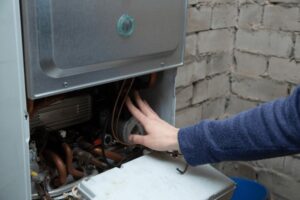

Most people with an oil boiler know they’re supposed to get it serviced regularly, but if you’ve never actually watched an engineer work through the process, you might be wondering what you’re paying for. It’s not like servicing a car where you can see new parts being fitted or fluids being changed. An oil boiler service is mostly about checking, testing, and making sure everything that should be working is actually working properly before something goes wrong in the middle of January.
Understanding what does an oil boiler service include helps you know whether you’re getting proper value when that annual service bill arrives, and more importantly, it shows you why skipping it can lead to much bigger problems down the line. Most homeowners only think about their boiler when it stops working, but a decent service can catch issues before they turn into expensive breakdowns or leave you without heating when you need it most.
This guide walks through exactly what happens during a proper oil boiler service, what engineers check, why each part matters, and what you should expect to pay in the UK. Whether you’re new to oil heating or you’ve had your system for years, knowing what’s involved helps you make better decisions about maintaining your heating system.
Quick answer: what’s included in an oil boiler service
A professional oil boiler service includes checking and cleaning the burner, inspecting the heat exchanger, testing combustion efficiency, examining the oil supply system, checking safety controls, cleaning or replacing the nozzle and filter, and testing the boiler under normal operating conditions. Most services take around an hour to complete and should be done annually by an OFTEC-registered engineer.
The main components of an oil boiler service
Burner inspection and cleaning
The burner is where your heating oil turns into heat, and it’s the part that gets the most attention during a service. Engineers will remove the burner assembly to check for carbon buildup, clean the components, and make sure the combustion chamber isn’t cracked or damaged. This isn’t just about efficiency. A dirty burner burns oil less cleanly, which means you’re wasting money and possibly creating soot that clogs up other parts of the system.
Most engineers will use a small brush and vacuum to clean out any deposits. If there’s heavy sooting, that’s usually a sign something wasn’t working properly, maybe the air-to-fuel ratio was off or the nozzle needed replacing earlier than it got done.
Combustion efficiency testing
This is where engineers use a flue gas analyser to measure how efficiently your boiler is burning oil. They’re looking at carbon dioxide levels, oxygen content, and checking for carbon monoxide (which shouldn’t be there at all). The readings tell them if the burner is set up correctly or if adjustments are needed.
A well-tuned oil boiler should run at around 85-90% efficiency. If yours is significantly lower, you’re burning more oil than you need to for the same amount of heat. That’s money up the chimney, basically. The engineer should show you the readings and explain what they mean if you ask.
Nozzle replacement
The oil nozzle is a small brass component that sprays oil into the combustion chamber in a fine mist. It’s one of the few parts that gets replaced during almost every service, not because it’s broken but because even slight wear affects how well your boiler burns oil. A new nozzle costs the engineer a few pounds, and it’s included in most service prices.
Some homeowners question why this needs replacing every year when it looks fine, but the spray pattern degrades over time in ways you can’t see. It’s not ideal to skip this part.
Oil filter inspection and replacement
Your oil supply line has a filter that stops any debris or water in your tank from reaching the boiler. Engineers check this during the service and replace it if it’s dirty or if there’s water present. If you’ve got an older oil tank, you might be surprised how much sludge can accumulate at the bottom and gradually make its way toward your boiler.
Finding water in the filter is fairly common, especially if your tank isn’t bunded or if the cap seal has degraded. Water in your oil causes all sorts of problems with combustion and can damage the burner, so catching it at service time is exactly what you want.
Heat exchanger inspection
The heat exchanger is what transfers heat from the burning oil to the water in your central heating system. Engineers check for soot buildup, corrosion, and any signs of leaks. A heavily sooted heat exchanger won’t transfer heat efficiently, which means your boiler runs longer to heat your home and uses more oil.
Cleaning the heat exchanger properly is one of those jobs that separates a thorough service from a quick one. It takes time to do properly, and some engineers are more thorough than others. If you’re getting a service done in 20 minutes, there’s a good chance corners are being cut here.
Safety controls testing
Your boiler has several safety systems that need checking. The engineer will test the overheat thermostat (sometimes called a high limit stat), check the flame sensor is working, and verify that the boiler shuts down properly if something goes wrong. These controls are there to prevent dangerous situations, and they need to work reliably.
Most homeowners never think about these controls until they stop working, and by then you might have a serious problem on your hands. That’s usually where things go wrong if a boiler hasn’t been serviced properly.
Flue and ventilation checks
The flue system needs to be secure, properly sealed, and free from blockages. Engineers check for signs of leaks, corrosion, or damage. They’ll also make sure ventilation is adequate, especially important if your boiler is in a small room or cupboard. Insufficient ventilation affects combustion and can be a safety risk.
Outdoor flue terminals sometimes get blocked by birds’ nests, leaves, or even snow in winter. It’s rare, but it happens, and it’s something a visual inspection catches.
Oil supply system inspection
Engineers check the oil supply pipe from your tank to the boiler, looking for leaks, corrosion, or damage. They’ll verify the fire valve (if you have one) is working correctly. The fuel pump inside the boiler gets checked for pressure and any signs of problems.
If you’ve got an above-ground oil tank, the engineer might mention if they spot visible issues with the tank itself, though that’s not strictly part of the boiler service. Most won’t climb up to inspect your tank closely, but obvious problems like severe rust or oil stains on the ground get noticed.
Controls and thermostat testing
Your room thermostat, programmer, and any zone controls get tested to make sure they’re communicating properly with the boiler. Engineers check that the boiler fires up when it should and shuts off when the temperature is reached. If you’ve got issues with your heating not coming on at the right times, this is when they usually get spotted.
What engineers look for: common issues found during services
During a routine service, engineers often find minor problems before they become major ones. Worn door seals that let air in where it shouldn’t be. Corroded electrical connections that might fail completely in a few months. Pressure settings that have drifted slightly out of specification. These aren’t emergencies, but fixing them during the service prevents future callouts.
One of the most common findings is simply that the boiler has been working harder than it needs to because the burner wasn’t set up optimally. After adjustments, most homeowners notice their boiler runs more quietly and cycles less frequently.
How much does an oil boiler service cost in the UK
A typical oil boiler service costs between £80 and £150 in most parts of the UK, though prices vary by location and engineer. London and the Southeast tend to be at the higher end, while rural areas might be cheaper. Some companies offer discounts if you book a service plan that includes breakdown cover, which can work out at around £15-20 per month.
The price usually includes all the checks mentioned above, plus a new nozzle, new filter (if needed), and any minor adjustments. If the engineer finds something that needs replacing beyond routine service items like a faulty pump or damaged heat exchanger, that’s extra. Labour rates for additional work typically run £60-90 per hour plus parts.
Some homeowners try to save money by extending the service interval to every 18 months or two years. In my opinion, that’s a false economy with oil boilers. They work in a harsher environment than gas boilers, and the service catches problems early when they’re cheap to fix.
What to expect during the service visit
Most oil boiler services take between 45 minutes and 90 minutes, depending on what the engineer finds and how accessible your boiler is. Engineers should arrive with proper tools, a flue gas analyser, replacement nozzles, and filters. If they turn up with just a screwdriver, that’s not a good sign.
You don’t need to stay with the engineer while they work, but being available to answer questions helps. They might ask when you last had the tank filled, whether you’ve noticed any changes in how the boiler runs, or if you’ve had any problems with heating or hot water. This information helps them spot patterns or potential issues.
At the end, you should get a service record or certificate showing the work completed and the combustion test results. Some engineers use carbonless forms, others provide digital reports. Keep these records, they’re useful if you ever need warranty work or when you sell your house.
Common mistakes homeowners make
The biggest mistake is skipping the annual service because everything seems fine. Oil boilers are reliable, but they accumulate wear and dirt gradually. By the time you notice a problem, it’s often progressed beyond what preventive maintenance would have caught.
Another common issue is choosing an engineer based purely on price. The cheapest quote isn’t always the best value if corners get cut. An OFTEC-registered engineer has proper training and insurance, and that’s worth paying for. You can check registration on the OFTEC website if you’re not sure about someone.
Some people neglect to mention intermittent problems to the engineer during the service. If your boiler occasionally makes a strange noise or doesn’t always fire up first time, tell them. These symptoms often point to issues that can be diagnosed during the service visit, saving you a separate callout later.
How often should you service an oil boiler
Annual servicing is the standard recommendation for oil boilers, and most manufacturers require it to keep warranties valid. Unlike gas boilers where some people stretch to 18 months, oil boilers genuinely benefit from yearly attention because oil combustion is a dirtier process that creates more residue.
If your boiler is working especially hard (you’ve got a large house, lots of radiators, or high hot water demand), some engineers recommend servicing more frequently. That’s fairly rare though. For most UK homes, once a year scheduled before winter is the sensible approach.
Booking your service in September or October makes sense because engineers are less busy than in peak winter, and you know your heating system is sorted before you actually need it. Waiting until November or December often means longer waiting times and higher prices because demand spikes.
Why the service matters beyond just compliance
Yes, servicing maintains your warranty and keeps you legal if you’re a landlord. But the practical benefits matter more for most people. A well-maintained oil boiler uses less fuel, breaks down less often, and lasts longer. The average oil boiler should run for 15-20 years with proper maintenance, but neglected ones often fail after 10-12 years.
The efficiency improvements from proper servicing can save you £50-150 per year on oil costs, depending on your usage. Over the life of the boiler, that adds up to significantly more than the cost of the services. And avoiding even one emergency breakdown callout (which typically costs £150-250 plus parts) pays for several years of preventive maintenance.
There’s also the reliability factor. Having your heating fail on a cold night in January isn’t just inconvenient, it’s miserable. Regular servicing doesn’t guarantee you’ll never have a breakdown, but it dramatically reduces the chances.
Read more: Can you put a boiler in the loft
An oil boiler service covers all the checks, cleaning, and adjustments needed to keep your heating system running efficiently and safely. It’s not the most exciting way to spend £100-150, but it’s one of those maintenance tasks that prevents bigger problems and saves money over time. The service includes burner cleaning, combustion testing, safety checks, nozzle and filter replacement, and inspection of all major components.
Finding an OFTEC-registered engineer who does thorough work matters more than finding the absolute cheapest price. A proper service takes time, and engineers who rush through it in 20 minutes aren’t giving you the full value you’re paying for. Most reliable engineers are busy during winter, so booking ahead in late summer or early autumn gets you better availability and sometimes better prices.
Understanding what does an oil boiler service include helps you recognize good service when you get it and ask the right questions if something doesn’t seem right. Your oil boiler is a significant investment in your home comfort, and an hour of professional attention once a year keeps it working when you need it most.