
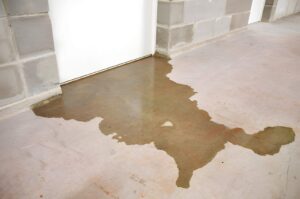

Finding your geyser leaking water from overflow pipe is one of those things that tends to get dismissed as “probably nothing” until it becomes a bigger problem. Maybe you noticed a slow drip coming from a pipe outside the house, or there is a puddle forming near the geyser in the ceiling, or someone pointed out water running down the outside wall. Whatever got your attention, you are right to look into it.
The overflow pipe on a geyser is not supposed to drip constantly. A small release of water now and then when the geyser heats up can be normal, but anything more than that usually points to something that needs attention. Most South African homeowners are not sure whether this is a quick fix, a sign of a failing unit, or an emergency. This guide breaks it all down in plain terms so you can figure out what is actually going on and what your next step should be.
A geyser dripping or running from the overflow pipe is almost always caused by one of two things: excess pressure inside the tank, or a faulty pressure control valve. In rarer cases, it can indicate overheating or a failing thermostat. It is not always an emergency, but it is never something to ignore either, because if the underlying cause is not fixed, it can lead to a burst geyser, water damage, or a complete replacement situation.
What the Overflow Pipe Actually Does
Before getting into causes, it helps to understand why the overflow pipe exists in the first place. Your geyser builds up pressure as water heats and expands inside the tank. Without a way to release that pressure, the tank could eventually fail. The pressure relief valve (also called a T&P valve or pressure control valve) is designed to open when pressure gets too high, releasing a small amount of water through the overflow pipe to bring things back to a safe level.
So technically, a little water from the overflow pipe during a heating cycle is the system working as intended. The problem starts when that dripping becomes constant, turns into a steady flow, or happens even when the geyser has not recently heated up. That is when something is genuinely wrong.
Common Causes of a Geyser Leaking Water from Overflow Pipe
High water pressure from the mains
This is one of the most common causes in South African homes, and it is one that people overlook surprisingly often. Municipal water pressure can fluctuate significantly, and in some areas it regularly exceeds what a standard geyser is designed to handle. When incoming water pressure is too high, the pressure inside the tank rises above the relief valve’s threshold, and the valve opens to compensate. This results in the overflow pipe dripping or running, sometimes quite a lot.
Pressure should ideally be between 300 and 400 kPa at the geyser inlet. If your home does not have a pressure reducing valve fitted, or if the existing one is old or faulty, high mains pressure is likely part of the problem.
Faulty or worn pressure relief valve
The pressure relief valve itself can fail over time. These valves are mechanical parts, and after years of opening and closing under heat and pressure, the internal seat can wear out or get stuck slightly open. When that happens, even normal operating pressure causes the valve to leak. A valve that drips constantly, even when the system is not under high pressure, is usually at the end of its lifespan and needs to be replaced.
This is a very common issue in geysers that are more than five years old and have never had any maintenance. If the valve has never been tested or replaced, there is a reasonable chance it is no longer sealing properly.
Thermal expansion without an expansion vessel
When cold water enters the geyser and heats up, it expands in volume. In a well-designed system, a small expansion vessel or a correctly set pressure reducing valve helps absorb that extra volume. In many older South African installations, especially those that were fitted before more recent plumbing standards came into effect, there is no expansion vessel. The pressure has nowhere to go except through the relief valve, which then opens and sends water out the overflow pipe. This is not a fault exactly, but it is a system that is not properly set up to handle thermal expansion, and it will cause ongoing dripping.
Overheating due to thermostat failure
If the thermostat controlling your geyser’s temperature fails and allows the water to get hotter than it should, the pressure inside the tank rises significantly. The relief valve then opens to protect the tank. If your overflow pipe is running while the geyser feels very hot to the touch, or if your hot water is scalding compared to normal, a faulty thermostat could be the reason. This one is worth addressing quickly because running at very high temperatures puts real stress on the tank.
A combination of factors
In many cases, the geyser leaking water from overflow pipe is not caused by just one thing. High mains pressure combined with an aging relief valve and no expansion vessel is a very common combination that results in persistent dripping. Fixing only one part of the problem might reduce the leaking but not stop it entirely.
How to Figure Out What Is Going On
You do not need to be a plumber to do a basic assessment. Start by observing when the dripping happens. If the overflow pipe only drips during or shortly after a heating cycle, the cause is likely thermal expansion or pressure fluctuation, which is more manageable. If it drips constantly regardless of whether the geyser is on or off, the relief valve itself is probably faulty.
Check whether you have a pressure reducing valve fitted on your incoming water line. It is usually near the main water shutoff point or where the water enters the house. If you do not have one, that is worth flagging when you call a plumber.
Also pay attention to how hot your hot water is. If it is noticeably hotter than usual, the thermostat may be running the geyser at a higher temperature than it should, and that needs to be assessed.
When to Call a Professional
Honestly, pretty much any situation where the overflow pipe is running consistently warrants a call to a qualified plumber. You can do the initial observation yourself, but actually replacing the pressure relief valve, fitting or adjusting a pressure reducing valve, or installing an expansion vessel are all jobs that should be done by a certified person. In South Africa, geyser plumbing must comply with SANS 10254, and any work done needs to be done properly to keep your home insurance valid.
Call someone urgently if the overflow pipe is running a steady stream rather than dripping, if you can hear unusual sounds from the geyser like banging or hissing, if the hot water is scalding, or if you can see rust or staining around the geyser tank itself. A geyser that is continuously releasing water under pressure is under stress, and ignoring it can lead to a burst, which causes significantly more damage and expense.
Cost of Repairs in South Africa
Getting this sorted is usually not as expensive as people fear, provided you catch it before the tank itself is damaged.
Pressure relief valve replacement is one of the most common fixes. A new valve typically costs between R250 and R600 depending on the geyser size and type, and labour usually adds R400 to R800. All in, you are looking at R650 to R1400 for this repair in most parts of the country.
Pressure reducing valve installation or replacement costs a bit more. The valve itself ranges from R400 to R900, and fitting it properly, including any associated pipework adjustments, can bring the total to R1000 to R2000. If you do not currently have one, this is genuinely worth spending money on because it protects both the geyser and other plumbing fixtures in your home.
Expansion vessel installation is sometimes recommended at the same time as pressure-related repairs. Expect to pay R800 to R1800 for the vessel and fitting combined, depending on size and accessibility.
Thermostat replacement, if that turns out to be the cause, typically costs R200 to R400 for the part and a similar amount in labour.
Full geyser replacement only becomes necessary if the tank itself has been damaged by prolonged overheating or excessive pressure, or if the unit is very old and not worth repairing. A replacement 150 litre geyser costs R3500 to R6000 for the unit, plus R1500 to R2500 for installation. It is a significant cost, which is exactly why catching and fixing the overflow problem early matters.
Common Mistakes Homeowners Make
The most common mistake is dismissing a slow drip as normal and leaving it for months. A slow drip can be a sign of a valve that is slowly failing and will eventually let go completely, or it can be quietly increasing the moisture levels in a ceiling space, causing structural damage that you will not see until it is much worse.
Another mistake is replacing the pressure relief valve without checking the incoming water pressure. If high mains pressure is what is causing the valve to open, a new valve will eventually start doing the same thing because the underlying cause has not been addressed.
Some people also try to cap or redirect the overflow pipe to stop the dripping without fixing the source of the problem. That is genuinely dangerous. The overflow pipe is a safety release. Blocking it removes the pressure protection the system needs and can result in a tank failure under pressure.
Prevention Tips
A few basic habits will significantly reduce the chance of dealing with overflow pipe issues.
Have your geyser inspected every three to five years by a qualified plumber. During a routine check, a plumber will test the pressure relief valve, check the thermostat setting, and assess whether the system has adequate pressure management. A valve that is tested periodically lasts longer and is less likely to fail suddenly.
If you live in an area with known high municipal water pressure, ask your plumber about fitting a pressure reducing valve if you do not already have one. It is one of those small investments that pays for itself over time by extending the life of your geyser and reducing strain on all your taps and fittings.
Set your geyser thermostat between 55 and 65 degrees Celsius. Higher than that puts unnecessary pressure on the tank and accelerates wear on the thermostat and element. Most households do not need water any hotter than 60 degrees.
Keep an eye on the overflow pipe regularly. If you know where it outlets, check it every few months. A pipe that was dry six months ago and is now dripping tells you something has changed in your system, and it is better to find out early.
Read more: Geyser tripping earth leakage
A geyser leaking water from overflow pipe is something most South African homeowners will deal with at some point, and in most cases it has a straightforward fix. The important thing is not to ignore it, not to try and block the overflow outlet, and not to keep resetting or patching things without understanding the cause.
Get a qualified plumber to assess the pressure in your system, check the relief valve, and advise on whether an expansion vessel or pressure reducer is needed. The repair cost is usually manageable, and sorting it out early is almost always cheaper than the alternative.