
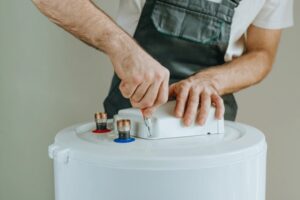

Booking a boiler replacement is stressful enough without worrying about the basics, and one of the most common questions people quietly ask before the engineer arrives is: can you use toilet when boiler is being replaced? It sounds like a silly question, but it is actually a very reasonable one, especially if the job is taking a full day and you have got the whole family at home. The short answer is yes, in most cases you can, but there are a few things worth understanding before the engineer shows up so you are not caught off guard.
This article covers what actually happens to your water supply during a boiler replacement, what you will and will not be able to use throughout the day, and how to prepare properly so the whole thing goes as smoothly as possible.
Quick answer
In the vast majority of boiler replacements, your cold water supply remains on throughout the job, which means the toilet can be flushed normally all day. The main things you will lose access to are hot water and central heating, and potentially some cold water at points if the engineer needs to isolate the system briefly. The best thing to do is ask your installer exactly what to expect when they arrive, because it can vary slightly depending on your setup.
What actually gets turned off during a boiler replacement
This is where most of the confusion comes from. People assume that having the boiler replaced means the water is off all day, but that is rarely the case. Here is what typically happens.
Hot water supply
This is the one thing that will definitely be unavailable for most of the day. The hot water and heating system needs to be fully drained and isolated before the old boiler can be removed. Depending on the type of system being replaced, this can involve draining the central heating circuit, the hot water cylinder if you have one, or both. You should assume you will have no hot water from the moment the engineer starts until the new boiler is commissioned and tested at the end of the job.
Cold water supply
For most properties, the cold water to the toilet cistern, kitchen tap, and bathroom taps comes from a separate supply that has nothing to do with the boiler. This means it stays on throughout the installation. The engineer will isolate the heating system and hot water, not the entire mains supply to the property. So the toilet, cold taps, and washing machine (if it has a cold fill) will work perfectly well all day.
Brief interruptions
There are moments during a boiler replacement when the engineer may need to turn off the mains water supply to the property for a short time, usually to connect new pipework or fit an isolation valve. This tends to be brief, often no more than fifteen to thirty minutes, and a good installer will give you a heads up before it happens so you can plan around it.
Electricity
Some boiler replacements involve work near the consumer unit or require the power to be isolated in certain parts of the house. Again, this tends to be brief, but worth being aware of, especially if you work from home.
What type of boiler you have matters
The type of boiler being replaced or installed does affect what gets disrupted during the job.
Combi boiler to combi boiler
This is the most common swap in UK homes and is usually the most straightforward. Because a combi boiler heats water on demand rather than storing it, there is no cylinder to drain, and the disruption to your cold water supply is minimal. The engineer drains the central heating circuit, removes the old unit, fits the new one, and refills the system. Hot water is off for the day, but everything else generally keeps working.
System boiler or regular boiler with a cylinder
If you have a system boiler or a conventional regular boiler with a hot water cylinder, there is more to disconnect and drain. The cylinder itself needs to be drained, and in older properties with a cold water tank in the loft, that may also need to be isolated at some point. The toilet cistern in older homes sometimes feeds from the loft tank rather than the mains, which means it could be affected for a period. This is worth asking your engineer about before the job starts.
Switching boiler types
If you are moving from a regular boiler to a combi boiler, the job is more involved. The cylinder gets removed, the cold water tank may be decommissioned, and more pipework changes are involved. In these cases, the disruption is typically greater and the job may take longer, sometimes spreading across two days. On a job like this, the engineer should be very clear upfront about what will be off and for how long.
How long does a boiler replacement take?
A like-for-like boiler swap in a straightforward location like a kitchen or utility room usually takes between four and eight hours. Most engineers will get it done in a single working day. More complex jobs, those involving a change of boiler type, a new flue position, or significant pipework alterations, can run into a second day.
Most people underestimate how disruptive this is when they have got young children or elderly relatives at home. Having no hot water for six to eight hours is manageable for most adults but can be trickier with babies or people who need regular washing. It is worth thinking this through in advance rather than the morning of the job.
How to prepare for the day
A bit of preparation makes a real difference. Here is what is worth doing the night before or the morning of the installation.
Shower or bathe in the morning before the engineer arrives. The boiler will likely be isolated within the first thirty minutes of the job. If you need a shower before work or before taking children to school, get it done early.
Fill a kettle, a large pot, and a few bottles with hot water. You will want hot water for making drinks, rinsing dishes, and basic hand washing throughout the day. It is a small thing but surprisingly helpful.
Ask the engineer what time they expect to be finished. Most installation teams will give you a realistic estimate, and it is useful to know whether you are looking at being without hot water until 2pm or until 6pm.
Think about meals. A full day’s boiler installation means no hot water for much of the day. If you were planning to cook something that involves a lot of washing up, maybe pick a simpler meal or use paper plates for lunch. Not glamorous, but practical.
Make sure the engineer has clear access. If the boiler is in a cupboard full of coats and shoes, or if there is furniture blocking access, clearing that the night before saves time and means the engineer gets started faster.
What about using a shower or bath?
This is where you genuinely do have to plan ahead. The shower and bath require hot water, which will be unavailable from early in the morning until the new boiler is commissioned and running. If you have an electric shower that heats its own water independently of the boiler, that will still work fine. Many UK homes have at least one electric shower for exactly this reason, and it is worth checking before the day.
If your only source of hot water is the boiler, a gym visit or a family member’s house might be worth considering if the timing is particularly awkward. It is not a common scenario, but worth a thought if the installation is happening across two days.
Costs of a boiler replacement in the UK
Since you are already thinking about the disruption of a boiler replacement, it is worth having a clear picture of what it is likely to cost.
A standard combi boiler swap, including the boiler unit and full installation, typically runs between £1,800 and £3,500 in the UK. The range is wide because it depends heavily on the boiler output you need, where the flue exits, and whether any pipework needs upgrading.
If you are switching from a regular or system boiler to a combi, the removal of the cylinder and cold water tank adds to the labour cost. Expect to pay anywhere between £2,500 and £4,500 for a job like this, sometimes more in London and the South East.
Magnetic system filters are worth adding if your existing system has not had one fitted. They catch debris from the central heating system and protect the new boiler from damage. Fitting one at the same time as the boiler costs around £100 to £200 extra and is well worth it.
A power flush, which cleans the central heating system before or after installation, costs between £300 and £600 depending on the number of radiators and the condition of the system. Engineers will often recommend this if the existing system has a lot of sludge or scale build-up, and it is genuine advice rather than a upsell in most cases.
Annual boiler servicing after installation costs between £60 and £120 and is worth doing every year to keep the warranty valid and catch problems early.
Mistakes people make when booking a boiler replacement
One of the most common mistakes is booking the job without checking what type of boiler they currently have and what is going to change. Someone assuming a simple like-for-like swap, and then discovering on the day that their setup actually requires a cylinder removal and significant pipework changes, ends up surprised by both the cost and the disruption.
Another thing people overlook is checking whether the gas supply to the property is adequate for a new, higher-output boiler. Most modern combi boilers are more efficient but sometimes more demanding on the gas inlet. A competent engineer will check this as part of the survey, but it is worth asking about if no pre-installation survey has been done.
Do not try to book a boiler replacement in December without allowing plenty of lead time. Heating engineers are stretched thin from October through February, and waiting times can stretch to two or three weeks even for a straightforward job. If your current boiler is failing, do not wait until it completely breaks down before calling. A failed boiler in January means a potentially longer wait and a harder negotiating position on price.
Read more: Boiler Keeps Running When Programmer Is Off
So can you use toilet when boiler is being replaced? Yes, almost always. The cold water supply to your toilets and cold taps is almost never affected by a boiler replacement, and any interruptions that do happen tend to be brief and pre-warned by the engineer. What you will definitely lose for the day is hot water and heating, and that is the part that needs a bit of forward planning.
Prepare the night before, ask your engineer upfront what to expect, and the day itself is usually far less disruptive than most people fear. A boiler replacement is one of those jobs that sounds like a big deal but, with the right installer and a bit of preparation, tends to go through without much drama at all.