
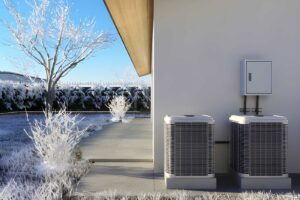

Every winter, the same pattern plays out in homes across colder regions. The heating bill goes up, the car takes longer to warm up, and somewhere in the background, the water heater quietly starts working harder than it has all year. A lot of homeowners do not connect the dots until they notice the shower is taking longer to warm up, the hot water runs out faster than usual, or the energy bill is higher than expected for their usage.
If any of that sounds familiar heading into or during the colder months, it is worth asking: can cold weather affect hot water heater performance? The honest answer is yes, quite significantly in some cases, and the effect is not just limited to units installed in garages or unheated spaces. Even indoor water heaters feel the impact of winter in ways that are easy to overlook if you do not know what to watch for. This guide explains exactly what happens, why it matters, and what you can do about it.
The quick answer
Yes, cold weather absolutely affects water heaters. Lower ambient temperatures force the unit to work harder to maintain the set temperature, increasing energy consumption and reducing effective hot water output. Colder incoming groundwater temperatures mean the heater has more work to do with every gallon it heats. Units installed in unheated spaces like garages or exterior utility rooms are particularly vulnerable. In extreme cold, exposed pipes and tankless units can freeze if not properly protected.
How cold weather affects different types of water heaters
Tank water heaters in unheated spaces
This is where the impact is most dramatic and most immediate. A tank water heater installed in a garage, crawl space, or unheated utility room is effectively fighting the cold on two fronts at once. First, the incoming groundwater is colder than it would be in milder months. In northern U.S. states and Canada, groundwater temperatures can drop from a summer average of 60 to 65 degrees Fahrenheit to 35 to 45 degrees in January. That is a 20 to 30-degree gap the heater has to close with every gallon it processes.
Second, the ambient air surrounding the tank is cold, which pulls heat out of the tank itself through the walls. Even well-insulated tanks experience standby heat loss, and that loss accelerates when the surrounding air is 30 or 40 degrees rather than 65 or 70. The thermostat responds by activating the heating element or burner more frequently to compensate, which drives up energy consumption and accelerates wear on components.
The practical result is a unit that runs significantly more than it does in summer, produces hot water more slowly, and may struggle to keep up with morning demand that it handled easily in warmer months.
Tank water heaters installed indoors
Indoor units in conditioned spaces are less affected by cold weather, but they are not entirely insulated from it either. The incoming groundwater is still colder in winter, which means every heating cycle has to do more work. In a typical home, this alone can increase water heating energy costs by 10 to 20 percent in winter compared to summer. You might not notice this as a hot water problem specifically, but it shows up on the energy bill.
Tankless water heaters
Tankless units are more sensitive to cold weather in certain ways. A gas or electric tankless water heater has a maximum temperature rise it can deliver at a given flow rate. In summer, with 65-degree groundwater coming in and a target output of 120 degrees, the unit needs to raise the water temperature by about 55 degrees. In winter, with 40-degree water coming in and the same 120-degree target, the required rise jumps to 80 degrees.
If the unit is not sized for that kind of temperature rise at the flow rates your household uses, performance will suffer. You may notice that the water never quite reaches the set temperature when multiple fixtures are running, or that flow rate has to be reduced to maintain output temperature. This is not a malfunction, it is physics, but it is worth understanding so you know how to manage it.
Tankless units installed outdoors or in unheated spaces also face a genuine freeze risk in severe cold. Most outdoor-rated tankless units have built-in freeze protection that activates a small heater inside the unit when temperatures drop near freezing. This uses a small amount of electricity continuously. If the power goes out during a prolonged cold snap and the unit is in a vulnerable location, freezing is a real risk that can damage internal components.
Heat pump water heaters
Heat pump water heaters extract heat from the surrounding air to heat the water, which makes them highly efficient in mild conditions. But they need a minimum ambient air temperature to operate in heat pump mode, typically around 40 to 50 degrees Fahrenheit. When the surrounding air drops below that threshold, the unit switches to standard electric resistance heating, which is less efficient. If your heat pump water heater is in a cold garage all winter, it may spend a significant portion of the season running in resistance mode, eliminating much of the efficiency advantage you installed it for.
Specific problems cold weather causes
Longer recovery times. This is the most common complaint. A unit that recovered a 50-gallon tank in 60 minutes in summer may take 80 to 90 minutes in January with colder groundwater and a colder surrounding environment. It is not broken, it just has more work to do.
Hot water running out faster. When recovery takes longer, the effective supply of hot water per hour drops. A household that never ran out of hot water in summer may start hitting the limit in winter, especially on busy mornings.
Higher energy bills. This is almost universal in homes with tank water heaters, and it often goes unnoticed because people attribute January energy costs to heating the home rather than the water heater. In reality, both are working harder.
Frozen pipes near the water heater. In extreme cold, the cold water supply pipe feeding the water heater can freeze if it runs through an unheated space without adequate insulation. When the supply pipe freezes, no water enters the unit and the hot water stops completely. This is often mistaken for a unit failure when the actual problem is a frozen supply line.
Pilot light problems on gas units. Significant temperature fluctuations in unheated spaces can occasionally cause pilot light issues on older gas water heaters, particularly if the thermocouple is already showing signs of wear. Cold air drafts near the unit can sometimes extinguish a pilot that is otherwise functioning normally.
How to fix and manage cold weather hot water problems
Insulate the tank. Adding an external insulation blanket to a tank water heater in an unheated space reduces standby heat loss substantially. These blankets cost $20 to $40 at hardware stores and take about 30 minutes to install. Make sure the blanket is appropriate for your specific unit, gas units require blankets that keep the top and thermostat areas clear. The investment typically pays back in energy savings within a single winter.
Insulate the pipes. Foam pipe insulation is inexpensive, usually $0.50 to $1.50 per linear foot, and easy to cut and fit around cold water supply pipes in unheated areas. Insulating the first few feet of both the cold inlet and hot outlet pipes also helps retain heat closer to the unit.
Raise the thermostat slightly in winter. In colder months, raising the thermostat from 120 to 125 degrees Fahrenheit can compensate for heat loss in transit through longer pipe runs and improve effective hot water availability. Check that this remains safe for your household, particularly if young children or elderly people are present. Anti-scald mixing valves at individual fixtures can allow a higher tank temperature while keeping tap temperature safe.
Heat the space around the unit if possible. Even a small space heater running occasionally in a garage where the water heater is installed can meaningfully improve performance and energy efficiency. Keeping the ambient temperature around the tank above 50 degrees in winter reduces standby heat loss and helps the unit cycle less frequently.
Protect outdoor and exposed tankless units. Make sure the freeze protection feature on an outdoor tankless unit is working and that the unit has a reliable power supply through winter. In areas where extended power outages are possible, know the manufacturer’s procedure for draining the unit if power will be out for an extended period in freezing temperatures.
Flush sediment before winter. This is something most people overlook completely. Sediment that has accumulated in a tank through the year makes the unit work harder at the best of times. Heading into winter with a heavily silted tank means the unit is already at a disadvantage before the cold arrives. Flushing the tank in early autumn takes about an hour and costs nothing if you do it yourself.
When to call a professional
Call a plumber if your hot water has stopped entirely in cold weather and you suspect a frozen supply pipe. Attempting to thaw a frozen pipe with an open flame is genuinely dangerous and can cause fires or pipe damage. A plumber can safely locate and thaw the frozen section, usually for $150 to $300 depending on the severity and location. If the pipe has already burst from freezing, repair costs climb quickly, often $300 to $800 or more depending on location and pipe material.
If cold weather seems to have triggered a component failure, such as a pilot that will not stay lit, an element that is no longer heating, or a thermostat that appears to have failed, standard repair costs apply regardless of the season. A gas valve or thermocouple replacement runs $150 to $400 installed. An electric element replacement costs $150 to $300. A full water heater replacement for a unit that has reached the end of its life runs $400 to $900 for a tank unit installed, or $1,000 to $2,500 for a tankless unit including installation. Prices in Canada, the UK, and Australia are broadly comparable with regional variation.
Common mistakes homeowners make
One mistake that comes up repeatedly is ignoring the water heater’s location when it comes to winter performance. People install a unit in a cold garage, never insulate it, and then spend years paying higher winter energy bills without connecting the cause. A few dollars in pipe foam and a tank blanket would have made a noticeable difference from the first season.
Another common mistake is assuming a hot water problem in winter is a unit failure when it is actually just the seasonal performance drop in an undersized or under-insulated setup. Getting a plumber out to diagnose a unit that is technically working correctly is not a cheap outcome. Understanding what cold weather does to your hot water system saves that call in many cases.
And a third mistake, particularly with outdoor tankless units, is assuming the built-in freeze protection is enough under all conditions. That protection depends on the unit having power. It is not enough on its own during a multi-day outage in severe cold.
Prevention tips for next winter
Start by assessing where your water heater is located and whether it is exposed to cold ambient temperatures. If it is in an unheated garage or utility room, insulating both the tank and surrounding pipes before temperatures drop is the single most effective thing you can do. Schedule a tank flush in late summer or early autumn as part of an annual maintenance routine. If your unit is approaching 10 years old and winter performance has been declining noticeably year over year, get a professional assessment before the coldest months rather than waiting for a failure. And if you have an outdoor tankless unit, check that the freeze protection is active and that the unit has reliable power heading into winter.
Read more: Are all water heater elements the same
Cold weather and water heaters are a combination that most homeowners do not think about until something goes wrong. But the relationship is real, and in some setups it has a significant impact on both comfort and cost. The good news is that most of the solutions are straightforward and inexpensive if addressed proactively. A tank blanket, some pipe foam, and an annual flush go a long way toward keeping your hot water system running efficiently through the coldest months of the year. If the unit is old, undersized, or in a particularly exposed location, winter is also a good time to honestly evaluate whether the current setup is still the right one for your household.