
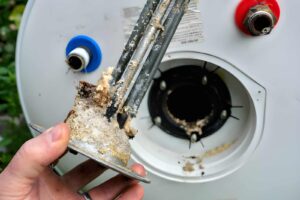

Most homeowners only start thinking about water heater elements when something goes wrong. The hot water has been running out too quickly, the recovery time has gotten noticeably longer, or the water stopped getting properly hot at all. At that point, a quick search usually confirms that a heating element is probably the culprit, and the next logical step is figuring out what to buy.
That is exactly where a lot of people run into trouble, because the answer to the question are all water heater elements the same is a firm no. There are several types of elements, different wattage ratings, different voltages, different physical configurations, and even different materials, all of which matter when it comes to getting the right replacement. Putting in the wrong element is not just ineffective, it can damage your water heater or create a safety hazard. This guide breaks down everything you need to know to make the right choice, understand what you are paying for, and avoid the most common mistakes.
The quick answer
No, water heater elements are not interchangeable. They vary by wattage, voltage, physical size, thread or flange style, and material composition. Installing a replacement element requires matching the wattage, voltage, and physical style to your existing unit. The most important specifications to check are printed on the label of your water heater or stamped on the old element itself. Getting these right is non-negotiable if you want the unit to perform correctly and safely.
What water heater elements actually do
Before getting into the differences, it helps to understand what the element is doing. On an electric tank water heater, the heating element is a metal rod that converts electrical energy directly into heat. Most residential electric tank units have two elements: one near the top of the tank and one near the bottom. They do not run simultaneously. The upper element activates first when the tank is cold, heating the water at the top. Once the upper portion reaches temperature, the upper element shuts off and the lower element takes over to heat the larger volume in the bottom half.
When an element burns out, which they do eventually due to mineral scale buildup, voltage spikes, or just plain age, the affected portion of the tank stops heating effectively. A failed lower element is usually more noticeable because it handles the bulk of the tank’s volume. A failed upper element often means you get a little bit of hot water quickly, then it drops off fast. Both patterns tell you something specific about where the problem is.
The main types of water heater elements
Screw-in elements
Also called thread-in elements, these are the most common type found in residential water heaters. They thread directly into a port on the tank wall and seal with a rubber gasket. Most screw-in elements have a 1-inch National Pipe Thread connection. They are relatively simple to remove with a special element wrench, which is an inexpensive socket-style tool available at most hardware stores for around $10 to $15. Screw-in elements come in various wattages, most commonly 3,500 watts, 4,500 watts, and 5,500 watts for residential use.
Flange-mounted elements
These elements bolt onto the tank rather than threading in. They use a four-bolt or six-bolt flange plate to secure against the tank wall with a gasket behind it. Flange elements are more common on older units or larger commercial tanks but do appear in some residential heaters. They are a bit more involved to replace because the bolts need to be removed and the flange properly sealed, but the element itself is typically no harder to source.
Fold-back elements
Some water heaters, particularly lower-profile or compact units, use fold-back elements. These elements have a different shape that allows them to fit inside tanks with limited internal clearance. If your unit uses this style, a standard straight screw-in element will not physically fit, so matching the style is essential.
Wattage: why it matters more than most people think
Wattage is probably the most critical specification to get right. It determines how quickly the element heats water and how much electricity it draws. The most common residential wattages are 3,500 watts and 4,500 watts on 240-volt systems, with 5,500 watts available for faster recovery.
Here is what most people overlook: you can usually replace an element with one of lower wattage than the original, but you should not go higher without checking that the wiring, circuit breaker, and thermostat are rated for the increased load. Upgrading from a 4,500-watt element to a 5,500-watt element might sound like a simple improvement, but it draws more current, and if the circuit is not sized for it, you are creating a fire risk. The circuit breaker for a 4,500-watt element is typically 30 amps. A 5,500-watt element may require a 30-amp circuit that is actually wired at the upper end of its capacity, and on some older installations, that headroom does not exist.
If you want faster recovery and are considering a higher-wattage element, it is worth having an electrician check the circuit first. That conversation typically costs $75 to $150 and can save you from a much more expensive problem down the road.
Voltage specifications
Most residential electric water heaters in the United States operate on 240 volts. Some smaller or point-of-use units run on 120 volts. Installing a 240-volt element in a 120-volt system will result in the element barely heating. Installing a 120-volt element in a 240-volt system will overheat and fail quickly, potentially causing damage. The voltage of your unit is on the data label on the side of the tank, and replacement elements are clearly marked with their voltage rating.
Element materials and why they differ
Copper elements are common, affordable, and work well in most water conditions. They are generally fine for areas with softer water. In hard water areas, copper elements can accumulate mineral scale faster, which reduces efficiency and shortens element life.
Stainless steel elements are more resistant to corrosion and scale buildup than copper, making them a better long-term choice in areas with hard water or high mineral content. They cost a few dollars more than copper equivalents but typically last longer in challenging water conditions.
Low-watt-density elements are a design variation rather than a material difference. A standard element concentrates heat output along a relatively short surface area, which means higher surface temperatures. A low-watt-density element spreads the same wattage over a longer surface, resulting in lower surface temperatures. Lower surface temperature means slower scale buildup and longer element life, particularly in hard water. If your elements have been failing more often than they should, switching to a low-watt-density replacement of the same wattage is one of the most practical improvements you can make. These elements typically cost $5 to $15 more than standard ones and are worth it in most hard water situations.
Lime shield or coated elements are designed specifically for very high mineral content water. The coating reduces direct contact between the heating surface and the water, further slowing scale accumulation. These are available for severe hard water situations and cost somewhat more than standard elements, but they can meaningfully extend service life in areas with particularly aggressive water.
How to identify the right element for your unit
The most reliable source of information is the data label on the side of your water heater. This label shows the voltage, wattage, and usually the element type. If the label is faded or missing, the next best option is to remove the old element and read the specifications stamped on it directly. Most elements have the wattage and voltage marked on the element itself.
You can also look up your water heater’s model number online. The manufacturer’s website or third-party parts sites usually list compatible element specifications for each model. This approach is helpful when you want to compare options or find a low-watt-density alternative to the original.
One thing worth knowing: even within the same brand, different model lines use different elements. A 50-gallon unit from a given manufacturer does not necessarily take the same element as a 40-gallon unit from the same brand. Model-specific lookup is more reliable than brand-only searching.
How the replacement process works
Replacing a screw-in element on a residential electric water heater is a manageable DIY task for most homeowners with basic comfort around electrical systems. Here is the general process.
Turn off the circuit breaker for the water heater and confirm there is no live current at the access panel using a non-contact voltage tester. Connect a garden hose to the drain valve and drain enough water from the tank to drop the water level below the element you are replacing. For the lower element, this means draining a significant portion of the tank. For the upper element, just a few gallons may be enough. Turn off the cold water supply valve to the tank before draining.
Remove the access panel, fold back the insulation, disconnect the wires from the element terminals, and use an element wrench to unscrew the old element. Compare it to the replacement to confirm they match in size and thread style. Apply a new rubber gasket to the replacement element, thread it in by hand first, then tighten with the element wrench until it is snug. Reconnect the wires exactly as they were, replace the insulation and panel, restore the cold water supply and fill the tank completely before restoring power. Running the element dry even briefly will burn it out immediately.
What it costs to replace a water heater element
Replacement elements themselves are not expensive. A standard copper screw-in element in 4,500 watts typically costs $15 to $30. Low-watt-density elements run $25 to $50. Stainless or coated elements for hard water situations can run $30 to $60. The element wrench needed for the job costs about $10 to $15 if you do not already own one.
If you hire a plumber, labor for an element replacement typically runs $100 to $200 depending on your location, making the total repair cost $120 to $250 in most U.S. markets. Some plumbers charge a flat rate for this job, others charge by the hour. Either way, it is one of the more affordable water heater repairs you will encounter. In Canada, the UK, and Australia, costs are broadly similar adjusted for local labor rates.
If the thermostat is also suspected of failing, replacing both the element and the thermostat at the same time makes sense since the labor is largely the same. Combined element and thermostat replacement with professional labor typically runs $200 to $350.
Common mistakes when replacing elements
The most common mistake is buying a replacement based on physical appearance rather than specifications. Two elements can look nearly identical but have different wattages or voltages, and putting in the wrong one leads to poor performance at best and a damaged unit or safety hazard at worst.
A close second is not draining enough water from the tank before removing the element. The water rushes out the moment the element is fully unscrewed if the tank still has water above that level. It is a messy situation and entirely avoidable if you drain far enough down before starting.
Third, and this happens more than it should, people restore power before the tank is completely full of water. Running an electric element without water surrounding it destroys it almost instantly. Fill the tank, run a hot water tap until water flows steadily, and only then restore power.
How to choose the right replacement
Here is what usually matters when making the decision and wondering are all water heater elements the same. Start with the specifications on your unit’s data label or the old element and match voltage and wattage exactly unless you have confirmed the circuit can handle a higher load. Choose stainless over copper if your area has hard water and you have had element failures more than once. Consider a low-watt-density element if your current element lifespan has been shorter than expected. This depends on your setup, but for most homes with moderate to hard water, the extra few dollars for a low-watt-density stainless element is the most practical upgrade you can make at replacement time.
Read more: Can cold weather affect hot water heater
Water heater elements look deceptively simple from the outside, but the differences between types and specifications are real and matter when it comes to performance, efficiency, and longevity. Getting the right replacement the first time is straightforward once you know what to look for, and it saves you from a return trip to the hardware store or, worse, a damaged unit. If you are not confident matching specifications yourself, a quick call to a plumber before buying is a better use of fifteen minutes than installing the wrong part.