
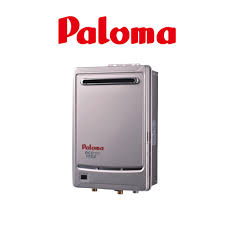

You walk up to your Paloma gas geyser and there’s a flashing code on the display. Or the unit has shut itself down and is showing a number or letter combination that means absolutely nothing to you without a manual. Most people who deal with Paloma gas geyser error codes for the first time feel exactly like this, because the codes are the unit’s way of telling you something specific has gone wrong, but only if you know how to read them.
Paloma is a Japanese-origin brand with a solid reputation in the gas water heating market and a reasonable presence in South Africa. Their instantaneous gas geysers are known for being feature-rich compared to some local alternatives, which includes having a digital display that shows fault codes when the unit detects a problem. This is actually useful once you understand what you’re looking at. A fault code points you toward a specific system or component rather than leaving you to guess. This guide explains the most common Paloma gas geyser error codes, what each one means in plain language, what you can safely do yourself, and when the situation calls for a registered gas technician.
Paloma error codes are the unit’s built-in diagnostic system. The most frequently seen codes relate to ignition failure, overheating, abnormal combustion, and water flow or pressure issues. Some codes clear themselves once the underlying condition is resolved, such as a low water pressure event. Others indicate a component failure that needs professional attention. Always start by noting the exact code displayed before resetting the unit, as the code is your best clue to what’s actually wrong.
Understanding how Paloma error codes work
Before going through individual codes, it’s worth understanding what the system is doing. Paloma gas geysers have sensors monitoring multiple aspects of operation simultaneously: gas flow and ignition, flame presence, water flow rate, water temperature, heat exchanger temperature, and exhaust conditions on certain models. When any sensor detects a reading outside its normal operating range, the unit shuts down as a safety measure and displays the relevant fault code.
Some codes are soft faults, meaning the unit shut down as a precaution but can be restarted once the condition has passed. Others are hard faults, meaning the unit will not restart until the underlying problem is fixed and sometimes until a technician resets it with a service tool. Knowing which category your code falls into helps set expectations about whether a simple reset will work or whether a repair is needed.
Common Paloma gas geyser error codes explained
Error 10 or E10: Ignition failure
This is one of the most frequently encountered Paloma gas geyser error codes. It means the unit attempted to ignite the burner and failed, typically after three or more consecutive attempts. The most common causes are an empty or very low gas cylinder, a closed cylinder valve, a faulty or depleted ignition battery, a dirty igniter electrode, or low gas pressure from a degraded regulator.
Start by checking the basics: is the cylinder valve fully open, is there gas remaining, and are the batteries fresh? These three checks resolve a significant number of E10 situations without any further intervention. If those are all confirmed fine, inspect the igniter electrode for carbon buildup. Clean it gently with a dry soft brush if deposits are visible. If the unit still won’t light after these steps, the gas valve or ignition module may need professional testing.
Error 11 or E11: Ignition failure on restart
Similar to E10 but specifically occurring when the unit tries to restart after a normal shutdown. The causes are largely the same. Try a full reset by switching the unit off, waiting thirty seconds, and restarting. If the code returns immediately, work through the same checks as E10 before calling a technician.
Error 12 or E12: Flame failure during operation
The unit lit successfully but the flame went out during operation. The flame sensor detected the loss of flame and shut the gas supply off as a safety measure. This can happen if gas pressure drops mid-operation, for instance if the cylinder is running very low and demand from the unit temporarily exceeds what’s available. It can also indicate a deteriorating thermocouple or flame sensor that’s starting to lose sensitivity, or a draught issue affecting outdoor installations.
Check the gas supply first. If the cylinder is getting low, this is likely the cause. If gas supply is adequate and the code keeps appearing, the flame sensor is the probable culprit and needs a technician to test and likely replace it.
Error 20 or E20: Abnormal combustion or fan fault (on fan-assisted models)
This code appears on Paloma models equipped with a combustion fan, indicating either that the fan isn’t operating correctly or that the combustion conditions detected by the unit are outside normal parameters. A blocked flue outlet, a faulty fan motor, or an issue with the combustion air supply can all trigger this code.
Check that the flue or exhaust outlet isn’t blocked by debris, a bird nest, or any other obstruction. If the outlet is clear and the code persists, the fan or its control circuit needs a technician. Do not attempt to run the unit while this code is active, as poor combustion can produce carbon monoxide.
Error 51 or E51: Overheating of the heat exchanger
The heat exchanger temperature sensor has detected a temperature above the safe operating limit and shut the unit down. The most common cause is low water flow rate through the unit, which means the water isn’t absorbing heat fast enough and temperatures climb. This can result from low household water pressure, a partially closed supply valve, or a blocked inlet filter screen.
Check that the cold water supply valve to the geyser is fully open, then check and clean the inlet filter screen. If water pressure throughout the house seems normal but the code keeps recurring, scale buildup inside the heat exchanger may be restricting flow. This needs a technician to assess properly.
Error 52 or E52: Outlet water temperature too high
Different from E51, this code relates to the temperature of the water exiting the unit being higher than the maximum set temperature. It’s often triggered when the water flow rate is very low, such as when someone opens a hot tap only slightly. The water moves slowly through the heat exchanger and absorbs too much heat. Try running the hot tap at a higher flow rate. If the code appears regularly under normal use, the temperature sensor or the gas valve modulation may need checking.
Error 61 or E61: Exhaust temperature fault (certain models)
On models with exhaust temperature monitoring, this code indicates the flue gases are hotter than they should be. This can indicate poor combustion efficiency or a blocked or restricted exhaust path. Check the flue outlet for blockages. If it’s clear, the combustion components need a technician’s assessment.
Error 72 or E72: Flame sensor circuit fault
This is a hard fault in most Paloma models, meaning the unit won’t restart through a normal reset. The flame sensor itself or its wiring circuit has developed a fault that needs component testing and likely replacement. A registered gas technician needs to handle this one.
Error 76 or E76: Gas valve fault
The unit has detected an issue with the gas valve operation. This is a serious fault code that requires immediate professional attention. Do not attempt to continue operating the unit. The gas valve controls fuel delivery to the burner, and a faulty valve is a potential safety hazard. A technician will test the valve and determine whether it can be repaired or needs replacement.
Error 90 or E90: Combustion fault
This is a general combustion quality code triggered when the unit detects that combustion isn’t happening within normal parameters. It can relate to gas quality, air supply issues, or internal component wear. This code almost always needs a gas technician to diagnose properly because it can have several underlying causes.
How to respond to a fault code: a practical sequence
When a code appears, follow this order before reaching for the phone:
Note the exact code displayed. Write it down or take a photo, because once you reset the unit the code disappears.
Switch the unit off and wait sixty seconds before restarting. Some soft fault codes clear on their own once the triggering condition has passed.
Check the gas supply. Verify the cylinder valve is fully open and that the cylinder has gas. This is the single most overlooked cause of multiple different error codes.
Check the cold water supply valve and inlet filter screen if the code relates to temperature or flow.
Check for obvious external blockages at the flue or exhaust outlet.
Replace the ignition batteries if the code is ignition-related and you haven’t changed them recently.
If the code returns after a reset and the basic checks above haven’t resolved it, the fault is internal and needs a technician.
When to call a registered gas technician
Call a professional immediately if the fault code is E76 (gas valve fault), E20 (combustion fan fault), E90 (combustion fault), or E72 (flame sensor circuit fault). These are not situations to reset and hope for the best.
Call a professional if the unit keeps displaying the same Paloma gas geyser error codes after multiple resets and basic checks. Repeated fault codes mean the underlying problem hasn’t gone away.
Call a professional if you smell gas at any point, regardless of which code is showing. Close the cylinder valve and don’t use the unit until it’s been inspected.
Any repair involving gas-side components in South Africa must be carried out by a technician registered with the Liquid Petroleum Gas Safety Association of Southern Africa (LPGSASA). A Gas Compliance Certificate is required after gas-side work. This matters both legally and for your home insurance.
What Paloma gas geyser repairs typically cost in South Africa
Call-out and diagnosis: R500 to R950 depending on your area. This typically covers the visit, fault code reading, and diagnosis, but not parts or repair labour.
Ignition electrode replacement: Part costs R100 to R300. Total repair including labour R450 to R850.
Thermocouple or flame sensor replacement: The part runs R150 to R400 depending on the model. Total repair R700 to R1,400 including labour.
Gas valve repair or replacement: Parts range from R1,000 to R2,500 for Paloma models. Total including labour sits at R1,800 to R4,000. At this cost level, comparing against a new unit is a reasonable exercise.
Fan motor replacement (on fan-assisted models): R600 to R1,500 for the component, plus labour. Total R1,200 to R2,500.
Heat exchanger descaling: R900 to R1,700 depending on severity.
Heat exchanger replacement: Component R1,800 to R5,000. Total with labour R3,000 to R7,000. A new unit comparison is strongly worth getting at this point.
Gas Compliance Certificate: R400 to R800, required after gas-side repairs.
New Paloma unit: Depending on flow rate and model, R5,000 to R14,000 for the unit. Installation and compliance certification adds R2,500 to R5,500. If the existing unit is more than eight to ten years old and facing a repair bill over R3,500, replacement often makes more financial sense.
Common mistakes people make with error codes
Ignoring the code and repeatedly resetting the unit hoping it resolves itself. Soft fault codes do sometimes clear. Hard fault codes don’t, and continuing to reset without addressing the cause often leads to a more expensive failure.
Resetting the unit without noting the code first. Once you reset, the display clears and you’ve lost your best diagnostic information. Take a photo of the display before doing anything else.
Assuming any gas-related fault is beyond repair and immediately planning to buy a new unit. Many common codes, including the ignition and flame sensor codes, represent relatively affordable repairs. Get a technician’s assessment before deciding to replace.
Calling a plumber who isn’t gas-certified. Paloma units are gas appliances. The repair requires a registered gas installer, not a standard plumber. Always confirm registration before booking.
Prevention tips
Have the unit serviced every two to three years. A proper service by a registered technician includes cleaning the burner and electrode, testing all sensors, checking gas connections, and verifying the heat exchanger condition. This costs R600 to R1,200 and catches developing problems before they become fault codes and unplanned cold showers.
Replace the LPG connecting hose on a five-year cycle. Hose degradation is a common source of gas pressure inconsistency that can trigger multiple different error codes.
Keep the flue outlet and unit surroundings clear of debris, particularly for outdoor installations where seasonal debris accumulation can cause combustion and exhaust issues.
In hard water areas, discuss descaling intervals with your technician during servicing. A clean heat exchanger reduces the likelihood of temperature and overheating codes.
Read more: Dewhot gas geyser problems
Paloma gas geyser error codes are genuinely useful once you understand what they’re telling you. They narrow down a problem that could otherwise take a technician considerable time to diagnose by trial and error. The approach to take is always the same: note the code, work through the basic checks that are safe to do yourself, and then make an informed decision about whether this is a reset-and-monitor situation or a technician callout. For most ignition and flame sensor codes, it’s usually the latter and the repair is more affordable than people fear. For gas valve and combustion faults, treat them as urgent and don’t delay getting qualified help.