
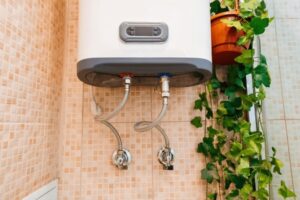

Switching to gas for your hot water is one of those decisions that tends to happen during a particularly bad stretch of load shedding. You’ve had cold showers for the third morning in a row, you’ve had enough, and suddenly gas geyser installation is at the top of your to-do list. It’s a solid choice for a lot of South African households, but it’s not as simple as buying a unit and getting a plumber in. There are legal requirements, gas compliance certificates, sizing considerations, and a bunch of small decisions that can make the difference between a smooth installation and an expensive headache.
Quick answer
Gas geyser installation prices in South Africa typically costs between R2,500 and R6,500 for labour alone, plus the cost of the unit itself which can range from R3,500 to R14,000 depending on flow rate and brand. The total all-in cost for most average homes sits somewhere between R8,000 and R16,000. The installation must be done by a registered gas installer and must include a compliance certificate. It is not a DIY job.
What gas geyser installation prices actually involves
Most people picture it as swapping out one box for another. The reality is a bit more involved, especially if you’re coming from an electric geyser or if gas piping hasn’t been run to your home before.
The process involves physically mounting the unit (these are wall-mounted and need to be positioned according to ventilation and safety requirements), connecting the gas supply line from your LPG cylinder or piped gas source, connecting the cold water inlet and hot water outlet to your home’s plumbing, and in many cases, making adjustments to your existing pipework so everything lines up correctly with the new unit’s configuration.
Outdoor units are simpler because ventilation isn’t a concern. Indoor units require the installation to comply with specific ventilation requirements under South African gas regulations, which adds complexity and sometimes extra cost for ducting or venting.
Once the physical installation is done, the installer must pressure-test the gas connections, check for leaks, commission the unit by firing it up and verifying operation, and issue a Gas Compliance Certificate. This last part is not optional. The certificate is a legal document, and without it your home insurance could be affected if something goes wrong.
Types of gas geysers and which suits your home
Before getting into costs, it helps to understand what type of gas hot water system you’re actually buying, because the options do vary.
Instantaneous (tankless) gas geysers are by far the most common choice for South African homes. They heat water on demand, there’s no storage tank, and they work as long as you have gas. Flow rates range from about 6 litres per minute on the small end up to 20 litres per minute or more for larger units. These are what most people mean when they talk about a gas geyser.
Gas heat pump systems and gas storage geysers exist but are far less common in the residential market here. Storage gas geysers work similarly to electric storage geysers but use a gas burner instead of an element. They’re more popular in commercial settings.
For most South African homes dealing with load shedding and looking for a reliable, independent hot water source, an instantaneous gas geyser is the right call. In most setups, it’s genuinely more practical than the alternatives.
LPG vs natural gas is another consideration. Most installations in South Africa use LPG (liquefied petroleum gas) from cylinders, either 9kg, 19kg, or 48kg. Some urban areas have access to piped natural gas through reticulation networks, which can be more convenient. Make sure the unit you purchase is compatible with your gas type, as LPG and natural gas units are not interchangeable without specific conversion kits.
Cost breakdown: unit, installation and hidden extras
Here’s where people get caught out most often. The quote they get for “installation” doesn’t always include everything, and the final bill ends up higher than expected.
Unit cost by flow rate:
A 6L to 10L/min unit for a small flat or single bathroom runs R2,800 to R4,500. A 12L to 16L/min unit suited to most two to three bathroom homes costs R4,500 to R8,000. A 20L/min and above unit for larger homes or high-demand households runs R8,000 to R14,000 and up.
Installation labour:
A basic installation where gas piping is already in place and it’s a like-for-like swap can be as low as R1,800 to R2,500 in labour. A standard new installation from scratch, including running a new gas line from the cylinder point to the geyser location, typically costs R3,000 to R5,000. Complex installations involving long gas pipe runs, indoor venting, or significant plumbing modifications can push R5,500 to R8,000 or more.
Additional costs people often miss:
The Gas Compliance Certificate itself usually adds R400 to R800 to the job. If you need a new gas regulator for your cylinder setup, that’s another R250 to R600. Cylinder cage or mounting brackets, pipe fittings, and connection hardware can add a few hundred rand. If your existing plumbing is old HDPE or a non-standard size, adaptor fittings or pipe replacement might add R500 to R1,500.
All-in estimates by home type:
| Scenario | Estimated Total | ||
| Small flat, single bathroom, 10L/min, straightforward install | R7,000 to R10,000 | ||
| Average home, 16L/min, new gas line required | R11,000 to R16,000 | ||
| Larger home, 20L/min, conversion from electric, indoor install | R15,000 to R22,000+ |
These ranges are realistic for most of South Africa’s major metros. Rural areas may see different pricing depending on installer availability.
How the installation process works, step by step
Once you’ve chosen your unit and found a registered installer, here’s roughly what the process looks like.
The installer will first assess your site: where the unit will be mounted, where the gas supply is coming from, and what the plumbing connection points look like. A good installer will flag any potential complications before starting rather than discovering them halfway through.
They’ll mount the unit on the wall at the correct height and in a location that meets safety clearance requirements, particularly around combustibles and ventilation. Gas piping is then run from your cylinder or supply point to the unit, using the correct pipe material and fittings for LPG. They’ll connect the cold water inlet and hot water outlet to your plumbing, sometimes needing to adjust pipe routing.
After all connections are made, they’ll pressure-test the gas lines using a manometer to check for leaks before the gas is turned on. The unit is then commissioned by turning on the gas and igniting the burner, checking temperature, flow, and that the safety cut-off functions correctly. Finally they’ll issue the compliance certificate and walk you through basic operation.
The whole process for a standard installation takes between three and six hours. Complex installs can run a full day.
Common mistakes that cost people money
Choosing the wrong flow rate. This is probably the most common problem. Homeowners look at the unit’s litre-per-minute rating and assume it sounds sufficient, without actually calculating their simultaneous demand. If your shower runs at 9L/min and you have a 10L/min geyser, there’s almost nothing left for anything else running at the same time. Oversizing slightly is usually better than undersizing.
Using an unregistered installer. It happens constantly. Someone’s brother-in-law “knows about gas” and offers to do it for half the price. The work might look fine visually, but a gas leak from an improperly fitted connection is a serious safety risk. More practically, if you ever need to make an insurance claim and there’s no compliance certificate, you’re in trouble. Always use a LPGSASA-registered installer.
Not accounting for the cylinder setup. The geyser gets installed, but the cylinder is in an awkward location or the wrong size for the household’s usage. A 9kg cylinder for a family of four using gas as their primary hot water source can run out every week and a half, which becomes a real inconvenience. Think through the cylinder size and placement before installation, not after.
Assuming any plumber can do it. Gas installation requires a separate registration from standard plumbing. A licensed plumber who is not also a registered gas installer cannot legally do this work. Many people don’t know this and find out the hard way when they can’t get a compliance certificate.
Indoor installation without proper ventilation. Some homeowners want the unit indoors for aesthetic reasons or space constraints. That’s fine if done correctly, but the ventilation requirements are strict and skimping on this is a genuine safety hazard. Your installer must follow SANS 10087-1 standards for indoor gas appliances.
How to choose the right setup for your situation
A few questions that actually help narrow things down:
How many people are in your household and how many bathrooms does your home have? As a rough guide, a family of two to three in a home with one bathroom can manage well with a 12L to 14L/min unit. A family of four or more with two or more bathrooms will generally want 16L/min or above. If you have a high-flow rainfall shower head, factor that in.
Is this replacing your electric geyser entirely or supplementing it? Some households run both: the electric geyser for base load and the gas unit as a load shedding backup. If it’s purely a backup, a smaller, cheaper unit might make sense. If it’s your only hot water source, reliability and appropriate sizing matter more.
Where will the cylinder be located? Think about access for refills, distance from the geyser (longer runs cost more in piping), and whether a 48kg cylinder makes more sense than constant 9kg swaps. This depends on your setup.
Indoor or outdoor installation? Outdoor is simpler and usually cheaper. If space only allows indoor, make sure your installer is experienced with the ventilation requirements.
What to ask your installer before confirming
Get at least two or three quotes. Ask each installer for their LPGSASA registration number and verify it. Ask specifically what is and isn’t included in the quote, particularly around gas piping runs, fittings, the compliance certificate, and any plumbing modifications. Ask how long they’ve been doing gas installations and whether they can provide references.
A written quote that breaks down labour, materials, the unit, and the compliance certificate separately is far more useful than a single all-in number. It also protects you if anything unexpected comes up during the job.
Read more: Gas geyser price
Gas geyser installation is one of the more involved home upgrades you can do, but it’s also one of the more rewarding ones when it’s done right. No more cold showers during load shedding, often lower running costs than electric, and a system that just works independently of the grid. The key is going in with realistic expectations about total cost, using a properly registered installer, and sizing the unit correctly for your household’s actual needs. Get those three things right and you’re unlikely to regret the switch.