
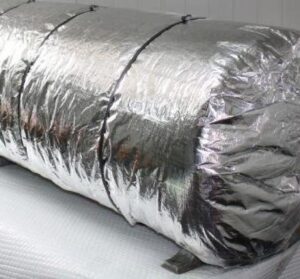

If you have noticed your electricity bill creeping up and you have not touched your geyser setup in years, there is a good chance your hot water system is working harder than it needs to. Most South African homes have an uninsulated geyser sitting in a roof space that loses heat constantly, even overnight when nobody is using hot water. A geyser blanket is one of the cheapest and most effective ways to reduce that heat loss, and knowing how to install a Kwikot geyser blanket yourself means you do not have to pay someone else to do a job that most homeowners can handle in under an hour.
This guide walks you through everything, from why a blanket actually makes a difference, to the exact steps for fitting one, to where people tend to go wrong and what it all costs in South Africa.
A Kwikot geyser blanket is a pre-cut insulation wrap that fits around the outside of your hot water cylinder to slow heat loss. Installing one involves switching off the geyser, wrapping the blanket around the tank body, securing it with the straps or ties provided, and leaving the valves, pipes, and thermostat housing uncovered. It is a straightforward DIY job that usually takes between 30 and 60 minutes.
Why a geyser blanket is worth it
South African electricity costs have increased dramatically over the past decade, and geysers remain one of the biggest contributors to household energy consumption. Depending on the size of your household and the age of your unit, your geyser can account for anywhere from 30 to 50 percent of your total electricity usage. That is a significant number.
An uninsulated geyser loses heat to the surrounding air continuously. In a roof space, especially during winter months in places like Johannesburg or the Karoo where overnight temperatures can drop sharply, that heat loss is even more pronounced. The element then has to kick in more often to reheat the water to the set thermostat temperature, using electricity every time it does so.
A quality geyser blanket reduces standby heat loss substantially. Independent testing has shown reductions in standby energy use of between 25 and 45 percent in properly insulated units. Over a year, that can translate to a few hundred rand in electricity savings for the average household, and the blanket itself typically pays for itself within the first few months.
What a Kwikot geyser blanket includes
Kwikot produces blankets designed to fit their standard residential cylinders, which in South Africa come in the most common sizes of 100, 150, and 200 litres. The blanket is typically made from a fibreglass or polyester insulation material encased in a foil-backed or fabric outer shell. Most kits include the insulation blanket itself, ties or straps to secure it, and basic instructions.
Some kits also include a pipe wrap for the first section of the hot water outlet pipe, which is worth using if yours is included. Heat loss from an exposed hot pipe directly after the geyser is a smaller but still real source of energy waste.
Make sure you buy a blanket rated for the correct tank size. Fitting a blanket that is too small means it will not cover the tank properly. Fitting one that is oversized might seem harmless but can create gaps and loose sections that reduce effectiveness.
Step-by-step: how to install a Kwikot geyser blanket
Step 1: Switch off the geyser at the distribution board. You do not need to drain the tank or turn off the water supply. You are only working on the outside of the unit, so the risk is minimal, but switching off power is still the responsible first move any time you are working around the geyser.
Step 2: Let the geyser cool down if it has been running recently. The outer surface of a hot geyser can be uncomfortably warm. Waiting an hour or so makes the job easier and more comfortable, especially in a confined roof space.
Step 3: Clear the area around the geyser as much as possible. Roof spaces are not the most comfortable working environments at the best of times. Move any loose insulation batts or debris out of the way so you can move around the tank without obstruction.
Step 4: Unroll the blanket and identify which end is the top and which is the base. Most Kwikot blankets have a pre-cut section or notch for the thermostat and element housing, which typically sits towards the lower third of the tank on most models. Familiarise yourself with the layout before wrapping.
Step 5: Wrap the blanket around the cylindrical body of the tank. The blanket should sit snugly against the surface. Avoid covering the pressure control valve, the temperature pressure relief valve, the thermostat access point, or any pipe connections. These all need to remain accessible and unobstructed for safety reasons.
Step 6: Secure the blanket using the ties or straps provided. Most kits include between two and four straps. Space them evenly and pull them firm enough to keep the blanket in contact with the tank surface, but not so tight that you compress the insulation significantly. Compression reduces its effectiveness.
Step 7: If your kit includes pipe insulation, wrap it around the hot water outlet pipe for the first 500 to 600 mm or so from the geyser body. This is an often-skipped step but it does contribute to the overall result.
Step 8: Switch the geyser back on at the DB board. That is it. There is nothing more to commission or test. The blanket works passively from this point.
What not to cover
This is where some DIY installations go wrong. You should never cover the following with the blanket: the temperature pressure relief valve and its discharge pipe, the pressure control valve on the cold inlet, the element access plate if it is visible from the outside, the thermostat cover, and any flexible connections. Covering safety valves is a genuine hazard because it prevents them from operating correctly and can also trap heat around components that need ventilation.
If your blanket does not have a pre-cut section for the thermostat and you are struggling to fit around it neatly, it is better to cut a small opening in the blanket than to fold or compress the material awkwardly over it.
Cost of geyser blankets in South Africa
Geyser blankets are widely available from hardware stores including Builders Warehouse, Leroy Merlin, and most plumbing supply outlets. Prices vary depending on size and brand, but for a standard Kwikot-compatible blanket you should expect to pay between R180 and R450. Blankets designed for larger 200-litre tanks sit towards the upper end of that range.
If you choose to have a plumber or handyman install the blanket, labour will typically add R250 to R500 to the total cost, depending on roof space accessibility and how long the job takes. It is genuinely one of the easier home maintenance jobs you can do yourself, and most people who are comfortable going into the roof space will manage without any assistance.
Pipe insulation lagging for the hot water pipe costs very little separately, usually R20 to R60 per metre, and is worth buying if your kit does not include it.
Understanding the actual savings
To put the numbers in perspective, a 150-litre geyser set to 60 degrees Celsius in an uninsulated roof space might run its element for 4 to 6 hours a day just to maintain temperature. At current Eskom tariffs averaging around R2.50 to R3.50 per kWh depending on your municipality, and with a standard 3kW element, that represents between R30 and R63 per day just in standby heating.
A blanket that reduces standby heat loss by 30 percent could realistically save between R9 and R19 per day, or roughly R270 to R570 per month. Over a year that is potentially R3,000 to R7,000 in electricity savings, which makes a R350 blanket look like a very sensible purchase.
These are estimates and depend on your specific setup, but the direction of the math is consistent. The savings are real and they accumulate.
Common mistakes when installing a geyser blanket
Covering safety components is the most serious error, as mentioned above. But there are a few other things people get wrong.
Buying the wrong size is surprisingly common. People measure the diameter of the tank and forget to account for the height, or they buy a blanket for a 100-litre tank and try to stretch it over a 150-litre unit. Check your tank size first. It is usually printed on a label on the side of the unit.
Not securing the blanket properly is another issue. A loosely fitted blanket that shifts over time creates air gaps between the insulation and the tank surface, which reduces effectiveness. Take the time to position and secure it correctly on the day of installation.
Some homeowners also wrap the top dome of the geyser, which can look thorough but is less important than the cylindrical body and should never interfere with pipe connections at the top of the tank.
Other ways to improve geyser efficiency
If you want to build on the savings from a blanket, there are a few other steps worth considering.
Installing a geyser timer is probably the most effective complementary measure. A timer switches the element off during hours when hot water is not typically needed, usually overnight and during the middle of the day. These cost between R500 and R1,200 installed, depending on the type.
Lowering your thermostat setting from 70 to around 60 degrees is often recommended because it reduces how hard the element has to work while still reaching a safe temperature for eliminating legionella bacteria. Most thermostats on Kwikot geysers are adjustable and a plumber can do this for you in a short visit.
If you are on borehole water, consider also whether scale buildup inside the tank is affecting efficiency. Sediment and lime deposits on the element increase the energy needed to heat water and shorten element life.
When a blanket alone is not enough
In some cases, particularly with very old geysers or units that are already showing signs of wear like persistent leaks, unusual noises, or inconsistent water temperature, a blanket is a short-term measure at best. If your unit is 12 to 15 years old or older, the more cost-effective decision may be a full replacement rather than investing in accessories for an ageing system.
A plumber can assess the condition of the tank, element, and anode rod during a service visit. That kind of assessment typically costs between R350 and R600 and can tell you whether continued maintenance is worthwhile or whether a new unit makes more financial sense.
Read more: How to empty a Kwikot geyser
Knowing how to install a Kwikot geyser blanket is useful knowledge for any South African homeowner, and the job is genuinely within reach for anyone comfortable in a roof space with basic tools. The cost is low, the installation is straightforward when done correctly, and the long-term savings on your electricity bill are real. It is one of those small home improvements that most people put off for far too long, usually because they assume it is more complicated than it actually is.