
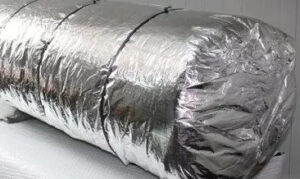

A geyser blanket is one of those small home improvements that sits in that awkward middle ground where most people have heard of it but very few have actually bothered with it. You see it mentioned whenever someone starts talking about ways to cut the electricity bill, it gets nodded at as a good idea, and then most people move on without doing anything about it. That is a bit of a shame because for the cost involved, it is one of the easier wins available to South African homeowners who want to reduce how much their hot water system costs to run.
This guide breaks down exactly what a geyser insulation blanket does, whether the electricity savings are real, what it costs, how installation works, and what you need to check before buying one. If you have been putting this off because it seems complicated or you are not sure it is worth it, this should give you a clear answer either way.
A geyser blanket is a thick layer of insulation that wraps around your electric geyser to reduce heat loss from the tank. Your geyser works by keeping stored water at a set temperature, usually around 60 degrees Celsius. Without insulation, heat escapes through the tank walls and the element switches on regularly to compensate, even when nobody is using hot water. Adding insulation slows that heat loss down, which means the element runs less often, which means lower electricity consumption. A decent blanket costs between R300 and R700 and can realistically reduce your water heating costs by 10% to 20% depending on your setup.
What does a geyser insulation blanket actually do?
Think of it like this. Your geyser is essentially a large thermos flask that uses electricity to stay hot. The problem is that most standard electric geysers installed in South African homes are not particularly well insulated from the factory. The outer shell does its job to a point, but heat still escapes gradually through the walls of the tank, especially in colder months or if the geyser is in an unheated ceiling space.
When heat escapes, the water temperature drops. When the temperature drops enough, the thermostat triggers the element to heat the water back up. This cycle happens continuously, even in the middle of the night when the entire household is asleep and no one is running a tap. You are essentially paying electricity to maintain a temperature that keeps dropping because the tank is not holding heat efficiently.
A geyser blanket wraps around the outside of the tank with a layer of fiberglass or foam insulation, typically 50mm to 100mm thick. It slows the rate at which heat escapes, which means longer intervals between heating cycles, which reduces the total time the element is running. The tank does not become perfectly efficient, but the improvement is real and measurable.
One thing worth knowing that most people overlook: the insulation effect is more noticeable in homes where the geyser is in an uninsulated ceiling space. In winter, ceiling temperatures in Johannesburg or Bloemfontein can drop well below 10 degrees Celsius. A geyser sitting in cold air loses heat significantly faster than one in a warm, insulated space. If your geyser is in a ceiling that gets cold, the blanket makes a bigger difference than it would in a mild coastal city like Durban.
Types of geyser blanket available
Not all insulation wraps are the same, and it is worth understanding what you are buying before you spend money on it.
Fiberglass blankets are the most widely available type in South Africa and what most hardware stores carry. They consist of a fiberglass insulation layer covered with a foil facing on one side and sometimes a fabric cover on the other. They are effective, affordable, and designed to wrap neatly around the cylindrical shape of a geyser. Most come in a standard size that fits geysers between 100 and 200 litres.
Foam-based insulation wraps use closed-cell foam as the insulating layer. These tend to be slightly more expensive but can be easier to fit neatly and may offer slightly better insulation per millimetre of thickness. They are less commonly found in large retail chains but are available from specialist plumbing suppliers.
Combination or premium insulation kits include insulation for both the tank and the pipes. This is worth knowing about because pipe insulation is often ignored, but heat loss through exposed hot water pipes adds up over time. A kit that includes pipe lagging for the first metre or two of pipe coming off the geyser gives you a more complete solution than just the tank blanket alone.
Pre-fitted or replacement geysers with improved insulation are also worth mentioning. Newer geyser models generally have better factory insulation than older units installed ten or fifteen years ago. If your geyser is very old, the blanket helps, but at some point the right call is replacing the geyser entirely rather than insulating an ageing unit. This depends on how old your unit is and what condition it is in.
What does it cost in South Africa?
The cost here is genuinely accessible, which is part of what makes this a practical option for most households.
A standard fiberglass geyser blanket from a hardware retailer costs between R300 and R550 for most common geyser sizes. Premium options or kits that include pipe insulation run from R550 to R800. If you want a professional to install it, expect to pay between R400 and R900 in labour on top of the blanket cost, though many plumbers will install one as a small add-on job.
All in, a full installed solution including blanket and pipe lagging typically falls between R900 and R1,500 for most homes. That is a very different conversation from a solar geyser or a gas conversion, and the payback period is correspondingly short.
In terms of electricity savings, water heating in the average South African home accounts for roughly 30% to 50% of the total electricity bill. A blanket that reduces water heating consumption by 10% to 20% translates to an overall household electricity saving of around 3% to 10%. At current electricity tariffs, that often means saving between R80 and R250 per month depending on your usage, tariff, and how cold your ceiling space gets. A blanket that costs R500 and saves R100 per month pays itself back in five months. That math works.
How installation works
This is genuinely one of the more DIY-friendly home improvements available. The installation does not require a plumber, does not involve any electrical work, and most people with basic practical ability can do it in under an hour.
The general process is as follows. Start by switching off the geyser at the DB board to avoid it switching on while you are working near it. Let it cool slightly if it has been running recently, just so the outer casing is not uncomfortably hot to handle. Unwrap the blanket and identify which side has the foil facing, which typically goes against the tank. Wrap the blanket around the tank and secure it using the ties, adhesive strips, or tape that came with the kit. Make sure the thermostat housing and pressure control valve are accessible and not covered by the insulation. Wrap any accessible pipe sections with the pipe lagging included in the kit. Turn the geyser back on at the board.
The bits people get wrong: covering the thermostat or pressure valve with insulation is not ideal and can make future access difficult or cause heat buildup in those components. Leave those areas clear. Also, do not wrap the element access panel if you anticipate needing access to the element in the near future, for example if your element is old and likely to fail soon.
If your geyser is installed in an awkward ceiling space with limited room, or if you are not comfortable working near electrical installations, getting a plumber or handyman to do it for you is perfectly reasonable at the price point involved.
Common mistakes homeowners make
Not checking the size before buying is probably the most frequent issue. Geysers come in various sizes, typically 100, 150, 200, and 250 litres, and their physical dimensions vary. Most blanket packaging lists compatible tank sizes, but double-checking your specific geyser dimensions before purchasing avoids the inconvenience of returning an ill-fitting blanket.
Only doing the tank and ignoring the pipes is a missed opportunity. The pipe that exits the geyser and runs through the ceiling carries very hot water and loses heat along its length. Lagging just the first 1.5 to 2 metres of pipe costs almost nothing extra and makes the overall insulation meaningfully more effective.
Assuming a blanket will fix an already inefficient or ageing geyser is where expectations can get ahead of reality. If your element is old and slow to heat, or if the thermostat is not working accurately, no amount of insulation will compensate for those underlying issues. A blanket is not a repair, it is an efficiency improvement. Fix actual problems first.
Buying a blanket but never actually fitting it is something that happens more than people admit. It sits in the garage, the task feels vaguely complicated, and it never gets done. Given how quick and inexpensive the installation is, this one is particularly unfortunate.
How to choose the right option for your home
The decision here is actually quite simple compared to larger geyser decisions. There are a few things that actually matter.
Tank size and dimensions: Measure your tank diameter and height or note the litre capacity from the label on the tank. Match that to the blanket size specifications on the packaging. Most standard blankets fit 100 to 200 litre cylindrical tanks. Larger tanks may need a bigger blanket or two blankets used together.
Your climate and ceiling conditions: If you are in a cold winter region like the interior or the Highveld, prioritise a thicker blanket in the 75mm to 100mm range. If you are in a mild coastal city, a 50mm blanket is likely sufficient.
Pipe insulation inclusion: Unless you have very short pipe runs or pipes that are already insulated, a kit that includes pipe lagging is worth the small additional cost.
DIY vs professional fitting: This genuinely depends on your comfort level and ceiling access. If the geyser is easily reachable, there is no reason not to do it yourself. If access is poor or you want it done properly in one visit, call a plumber or handyman and add the blanket fitting to whatever else they are doing.
Single person or couple in a small home or apartment: The geyser is probably a 100 or 150 litre unit. Usage is lower, so heat loss as a proportion of total consumption is still meaningful. A basic blanket costing R350 to R450 is more than adequate. The savings may be more modest in rand terms but the payback period is still short.
Family of four in a suburban home, Gauteng: This is where the blanket makes the most noticeable difference. A 200 litre geyser sitting in a cold ceiling space in winter runs its element frequently to compensate for heat loss. A quality 75mm blanket with pipe lagging, costing around R600 to R800 fitted, can make a real dent in the monthly electricity bill over the course of a year.
Older home with an ageing electric geyser: The blanket helps, but it is also worth asking how old the geyser is. A unit that is more than ten to fifteen years old may have compromised internal insulation and is approaching the end of its expected lifespan. A blanket buys some efficiency gains, but if the geyser is due for replacement soon, the cost-benefit calculation changes. Sometimes the better decision is to replace the geyser and get the improved factory insulation of a newer unit.
A geyser blanket is not a dramatic home improvement and it does not fix a broken system or replace a failing element. What it does do is make a working geyser run more efficiently for a very small outlay, and in a country where electricity is expensive and getting more so, that is genuinely useful. Most homes in South Africa would benefit from one and most have not bothered to fit one yet. If yours is one of those, the cost and effort involved is low enough that it is hard to justify putting it off any longer.