
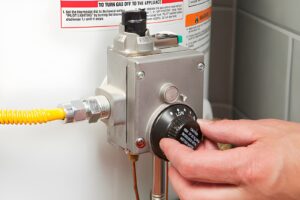

Most South African homeowners have never given their geyser thermostat a second thought, and that is completely understandable. It sits inside the unit, does its job quietly, and nobody pays attention to it until something goes wrong. The signs of a faulty geyser thermostat are not always obvious either, which is why a failing thermostat often gets misdiagnosed as an element problem, a plumbing issue, or just blamed on load shedding. If your hot water has been behaving strangely lately, whether it is too hot, inconsistent, or not heating properly at all, there is a reasonable chance the thermostat is the root cause.
This guide covers what the thermostat actually does, the most common warning signs that it is failing, how to handle it, and what repairs typically cost in South Africa. The goal is to help you figure out whether you are dealing with a thermostat issue or something else entirely, so you can make an informed decision rather than spending money on the wrong fix.
Quick Answer
A geyser thermostat controls the temperature of the water inside the tank by switching the heating element on and off. When it starts to fail, it either stops regulating temperature properly or loses the ability to switch off the element at the right point. The most common signs are water that is suddenly far too hot or not hot enough, unusually high electricity bills, and in some cases, the pressure relief valve dripping because the water inside the tank is overheating. A faulty thermostat is a relatively affordable repair, but it is one that should be done by a qualified plumber.
What a Geyser Thermostat Actually Does
The thermostat is a small component that sits alongside the heating element inside the geyser, usually behind the electrical cover plate at the bottom of the tank. It monitors the temperature of the water and tells the element when to switch on to heat it up, and when to switch off once the target temperature is reached.
On most South African electric geysers, the thermostat is set somewhere between 55 and 65 degrees Celsius by default. When the water temperature drops below that threshold, the element kicks in. When it hits the target, the element cuts out. Simple in theory, but when the thermostat starts to wear out, that switching mechanism becomes unreliable, and that is when problems start.
Signs of a Faulty Geyser Thermostat
Water that is far too hot
This is probably the most noticeable sign, and also one of the more concerning ones. If your hot water has gone from comfortably warm to scalding without any changes to your settings, the thermostat may have lost the ability to switch the element off at the right point. Instead of cutting out at 60 degrees, it allows the element to keep running, which pushes the water temperature well above what is safe or comfortable.
Scalding water is worth taking seriously. Apart from the obvious safety risk, extremely hot water puts the entire system under elevated pressure, which is why you might notice the overflow pipe dripping at the same time. These two symptoms together are a fairly strong indicator that the thermostat is failing.
Water that is not hot enough
On the flip side, a thermostat can also fail in a way that prevents the element from running long enough, or at all. If your geyser used to deliver a full tank of properly hot water and now runs lukewarm after just a few minutes, or if the water simply never gets properly hot regardless of how long you wait, the thermostat may be reading the temperature incorrectly or failing to send the signal to the element to heat up.
This one is easy to confuse with a failing element, and in some cases both can be failing at the same time since they are installed together and subject to the same conditions. A qualified plumber can test both and determine which is actually the problem.
Unexpectedly high electricity bills
This is a sign people often overlook, probably because electricity bills in South Africa feel like they are always going up regardless. But if your usage habits have not changed and your bill has jumped noticeably, a thermostat that is not switching the element off properly is a real possibility. An element running continuously because the thermostat is stuck in the on position uses a significant amount of electricity, and over a month that adds up.
Pressure relief valve dripping more than usual
As mentioned under the overheating point, a thermostat that is running the geyser too hot causes the internal pressure to rise. The pressure relief valve, which is designed to protect the tank, responds by releasing water through the overflow pipe. If your overflow pipe has started dripping and you have also noticed the hot water is hotter than normal, a faulty thermostat should be one of the first things investigated.
Inconsistent hot water temperature
Some people describe their hot water as unpredictable, sometimes it is fine, sometimes barely warm, sometimes very hot, all within the same day. A thermostat that is beginning to fail but has not failed completely can cause this kind of erratic behaviour. It might regulate correctly some of the time and then behave incorrectly at others, especially as the unit heats and cools through cycles.
The geyser runs constantly
If you can hear the geyser element cycling on far more frequently than usual, or it seems to run almost continuously, this can indicate that the thermostat is not correctly reading when the water has reached temperature. The system keeps calling for heat because it thinks the water is still cold, even when it is not.
How to Confirm It Is Actually the Thermostat
Honestly, the thermostat and the element are closely linked, and diagnosing one without the other can lead to replacing the wrong part. A qualified electrician or plumber can test the thermostat with a multimeter to check whether it is opening and closing the circuit as it should at the right temperatures. That test takes a few minutes and tells you definitively whether the thermostat is the problem.
What you can do at home is make a few observations before calling anyone. Check what temperature your water currently reaches by running it at the hot tap for a minute and getting a rough sense of whether it is hotter or cooler than usual. Listen for whether the geyser seems to be running constantly. Check the overflow pipe. Note whether the problem has developed gradually or happened suddenly. All of that information is useful for a plumber when they assess the unit.
How to Fix a Faulty Thermostat
The fix for a confirmed thermostat fault is replacement. Thermostats are not repairable in the usual sense, and since they are relatively inexpensive parts, replacement is always the practical choice once a fault has been confirmed.
In South Africa, geyser repairs must be carried out by a qualified person to comply with SANS 10254, and this applies to thermostat replacements as much as anything else. Do not attempt to open the electrical compartment of your geyser yourself, even if the unit has been switched off. The element and thermostat are in contact with water and the geyser remains pressurised even when powered down.
A plumber or electrician will isolate the power and water supply, drain enough water from the tank to safely access the thermostat, remove and replace the faulty component, and then test the unit before putting it back into service. If your geyser is older, many plumbers will recommend replacing the element at the same time as the thermostat, since the labour cost is largely the same and the parts are worn to a similar degree.
When to Call a Professional Immediately
Do not wait if the water coming out of your hot tap is scalding. Hot water at very high temperatures is a burn risk, particularly for children and elderly people, and it also indicates that the geyser is operating outside its safe temperature range. Similarly, if the overflow pipe is running steadily rather than just dripping, or if you can smell anything electrical near the geyser area, call a plumber straight away.
A geyser that is overheating due to a failed thermostat is under more stress than it should be, and while modern geysers do have safety cutouts that are supposed to prevent worst case scenarios, relying on a secondary safety mechanism because the primary one has failed is not a position you want to stay in for long.
Cost of Thermostat Replacement in South Africa
Thermostat repairs are one of the more affordable geyser fixes, which is part of why it is worth sorting out rather than ignoring.
A replacement thermostat for a standard South African electric geyser typically costs between R200 and R450 for the part, depending on the geyser model and thermostat type. Labour adds another R400 to R800, bringing the total repair cost to roughly R600 to R1250 in most cases.
If the plumber recommends replacing the element at the same time, a new element costs R300 to R700 for the part. Having both replaced in a single visit is generally more cost effective than paying for two call-outs, so it is worth considering if your geyser is more than five years old and the element has never been replaced.
If the inspection reveals that the tank itself has been damaged by prolonged overheating, things get more expensive. A new 150 litre electric geyser costs R3500 to R6000 for the unit, and installation adds R1500 to R2500 on top. That is a significant jump from a R1000 thermostat repair, which is a good reason to address signs of a faulty geyser thermostat sooner rather than later.
Common Mistakes Homeowners Make
The most common mistake is replacing the element when the thermostat is actually the problem. Because the two symptoms can overlap, and because elements are talked about more, some homeowners push for an element replacement first. If the thermostat is not tested, you can end up replacing the element, finding the problem persists, and then replacing the thermostat anyway, paying twice in labour costs.
Another mistake is adjusting the thermostat temperature manually without understanding what is actually wrong. If the water is not hot enough, it might seem logical to turn the thermostat up, but if the thermostat is already failing, adjusting it can make overheating or inconsistent performance worse.
People also sometimes ignore the early signs for too long. The signs of a faulty geyser thermostat, particularly inconsistent temperatures or a slightly hotter water supply, can feel like minor inconveniences rather than warning signals. Leaving them unaddressed does not save money; it usually just increases the repair cost down the line.
A geyser thermostat does not have a fixed lifespan, but in general, units that are serviced periodically last longer than those that run for years without any attention. Having a plumber inspect your geyser every three to five years means the thermostat and element get checked while they are still functional, rather than after they have already failed.
Keep the thermostat set between 55 and 65 degrees Celsius. Running it at 70 or above puts more strain on both the thermostat and the element and shortens their working life. There is no hot water benefit that justifies the extra wear.
If you have had load shedding related issues with your electrical system, it is worth having a plumber confirm the geyser is functioning normally after extended outages, since power surges on restoration can sometimes affect sensitive components including the thermostat.
Knowing the signs of a faulty geyser thermostat is genuinely useful because it saves you from unnecessary expense and helps you act before a manageable repair turns into a major one. Water that is too hot or too cold, a constantly running element, higher electricity bills, or an overflow pipe that is dripping when it previously was not, these are all things worth investigating rather than brushing off. The repair is usually straightforward and affordable, but it does need to be done by someone qualified.
Get a plumber in to test the thermostat properly, replace what needs replacing, and you will likely find your hot water system back to normal without too much fuss.