
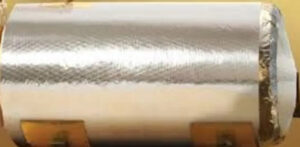

If you have been looking at ways to cut your electricity bill and someone mentioned a geyser blanket, you have probably wondered whether it is actually worth the money or just another product that promises more than it delivers. The question of do geyser blankets work comes up a lot, especially as Eskom tariffs keep climbing and households start scrutinising every line item on their energy spend. The honest answer is that yes, they do work, but how well they work depends on factors that are specific to your home, your geyser, and your climate. This article explains the mechanics behind them, gives you realistic expectations, and helps you decide whether buying one makes sense for your situation.
Quick answer
Geyser blankets reduce the rate at which heat escapes through the outer walls of a hot water cylinder. This means the heating element runs less frequently to maintain the set water temperature, which directly reduces electricity consumption. Studies and independent testing have consistently shown standby energy savings of between 25 and 45 percent in suitably sized, properly fitted blankets. They are not a miracle solution, but they are a genuinely effective and low-cost energy-saving measure for most South African homes.
The basic science behind how they work
You do not need to understand thermodynamics to grasp this. Your geyser stores a large volume of hot water, usually between 100 and 200 litres, at a temperature set by the thermostat, typically somewhere between 55 and 70 degrees Celsius. The surrounding air in your roof space is almost always cooler than that, sometimes significantly cooler in winter. Heat naturally moves from warmer to cooler areas, so the water inside the tank continuously loses heat through the walls of the cylinder to the surrounding air.
When the water temperature drops enough to trigger the thermostat, the element switches on and reheats the water. This happens repeatedly throughout the day and night, even when no one in the house is using hot water. This constant reheating cycle is called standby heat loss, and it is one of the biggest sources of wasted electricity in South African homes.
A geyser blanket is simply an additional layer of insulation on the outside of the tank. It slows the transfer of heat from the water to the surrounding air, which means the water stays at temperature for longer between heating cycles. Fewer heating cycles means less electricity used. That is the whole mechanism, and it genuinely works.
Why South African homes benefit more than most
In countries with mild year-round climates, standby heat loss from geysers is a smaller issue because roof spaces and utility areas tend to stay reasonably warm. In South Africa the situation is more variable and often more extreme. Johannesburg’s highveld winters regularly see overnight temperatures drop to between 2 and 8 degrees Celsius. Pretoria, Bloemfontein, and the interior plateau regions experience similar conditions. A geyser sitting in a roof space at those overnight temperatures is fighting a significant temperature gradient every night for months.
Even in coastal cities like Cape Town and Durban, where temperatures rarely drop below 10 degrees in winter, a geyser in a cool roof space is still losing heat at a meaningful rate. The summer situation is different: a very hot roof space can actually slow heat loss from the geyser, but it creates other problems for the unit overall.
Most people only start thinking about their geyser in winter, which is also when the impact of standby heat loss is greatest and when a blanket delivers the most noticeable reduction in electricity use.
Do geyser blankets work on all types of geysers
This is where it gets slightly more nuanced. The short answer is that they work on most standard electric geysers in South African homes, but the degree of benefit varies.
Older geysers, typically those more than 8 to 10 years old, tend to have thinner tank walls and less built-in insulation from the manufacturer. These units lose heat fastest and therefore benefit most from an external blanket. If you have an older hot water cylinder and your electricity bill has been nagging you, a blanket is one of the easiest wins available.
Newer geysers often come with improved factory-fitted insulation in the tank walls. Some modern units have foam-filled cavities between the inner and outer walls that already provide a meaningful level of standby insulation. For these units, the additional benefit from a blanket will be smaller, though not zero. You can do a rough check by placing your palm flat against the outer surface of your tank after it has been sitting unused for a few hours. If it feels warm or even slightly hot, significant heat is escaping and a blanket will help noticeably. If it feels close to room temperature, the factory insulation is already doing a decent job.
Gas geysers and instantaneous water heaters that heat water on demand rather than storing it are a different category entirely. They do not maintain a stored volume of hot water, so standby heat loss is not relevant to them in the same way. A geyser blanket would not be applicable to an on-demand gas unit.
Solar geysers vary depending on configuration. The collector panels on the roof absorb solar energy and use it to heat water stored in a cylinder. The cylinder in a solar system can benefit from a blanket in the same way as a conventional electric geyser, particularly during winter nights when the stored water needs to retain heat until morning. This depends on how the solar system is set up and whether the cylinder is already well-insulated.
What the numbers look like in practice
It is worth putting some realistic figures around this rather than speaking only in percentages. A typical 150-litre electric geyser with a 3kW element set to 60 degrees Celsius in a cold winter roof space might use somewhere between 6 and 9 kWh per day just to maintain water temperature, before accounting for the hot water actually being drawn and used by the household.
At South African electricity tariffs averaging between R2.50 and R3.80 per kWh across different municipalities, that is R15 to R34 per day in standby heating costs alone, or roughly R450 to R1,020 per month. A blanket that reduces standby heat loss by 30 percent would cut that to approximately R315 to R714 per month, a saving of R135 to R306 every month.
Over a year, that saving ranges from about R1,620 to R3,672. A quality 150-litre geyser blanket costs between R200 and R380 at most hardware retailers in South Africa. The payback period is typically less than three months. Very few home improvement products offer a return on investment that quick.
These are rough estimates and your actual saving will vary, but the order of magnitude is correct and the logic is sound.
Choosing the right blanket for your geyser
Not all blankets are the same and buying the wrong one is a common mistake. Here is what to look for.
Size compatibility is the most important factor. Geyser blankets in South Africa are generally sold for 100-litre, 150-litre, and 200-litre tanks. The blanket needs to fit your specific tank size to provide full coverage. A blanket that is too small leaves sections of the tank exposed. One that is too large will bunch and create air pockets, which reduce insulation effectiveness. Check the litre rating on your geyser before purchasing. It is usually printed on a label attached to the side or top of the unit.
Insulation thickness and material matter. Most quality blankets use fibreglass or polyester fill with a foil-backed or woven outer shell. Look for a product that specifies an R-value of at least 1.5. Thicker blankets with higher R-values will outperform thin, cheap alternatives. The price difference between a basic blanket at R180 and a quality one at R380 is usually justified by meaningful differences in insulation performance and how long the product lasts.
Some kits include insulation lagging for the hot water outlet pipe, which is worth having. A short section of uninsulated pipe directly leaving the geyser is a minor but real source of ongoing heat loss.
How to fit a geyser blanket correctly
Do geyser blankets work better when properly fitted? Absolutely. A poorly fitted blanket with gaps and loose sections delivers significantly less benefit than one that is snug and correctly positioned.
The blanket wraps around the cylindrical body of the tank and is secured with straps or ties. Switch the geyser off at the distribution board before starting and let the tank cool for an hour if it has been running. Never cover the pressure control valve, the temperature pressure relief valve, the thermostat housing, or any pipe connections. These components must remain fully accessible and unobstructed. Covering a safety valve is not just unhelpful, it is a safety hazard.
Secure the straps firmly enough to keep the blanket in full contact with the tank surface, but not so tightly that you compress the insulation significantly. Compressed insulation has reduced thermal resistance and will not perform as well.
Check the fit again about a month after installation. In confined roof spaces where other work occasionally happens, blankets can shift slightly over time.
Other measures that work well alongside a blanket
A geyser blanket is a good foundation but it works best as part of a broader approach to reducing hot water running costs.
A geyser timer is probably the most impactful complementary product. It switches the element off during overnight hours and during the middle of the day when no one is home. Combined with a well-insulated tank, the water stays hot enough for morning use even after being switched off overnight. Timer units cost between R500 and R1,200 installed, depending on type.
Reducing your thermostat setting from 70 to 60 degrees Celsius has no upfront cost and reduces heat loss proportionally, since a lower temperature differential between the tank and the surrounding air means slower heat transfer. This is a step that takes five minutes and costs nothing if a plumber is already visiting your home.
Insulating the first metre or so of hot water outlet pipe with foam lagging adds a small but cumulative benefit. Lagging costs R20 to R60 per metre at any hardware store and is very easy to fit yourself.
When a blanket is not the right priority
There are situations where fitting a geyser blanket is a reasonable step but is not the most urgent thing to address. If your geyser is already 12 or more years old and showing signs of wear like persistent valve dripping, element failure, or rust-coloured water, the more important question is how much longer the unit will last. Investing R300 in a blanket for a geyser that might need full replacement in 12 to 18 months is not ideal, though the blanket would still provide some benefit in the meantime.
If you are planning to upgrade to a heat pump or solar hot water system in the near future, the blanket may make more sense on the new system than on the one being replaced. That said, at the price point of geyser blankets relative to the ongoing electricity cost, the financial case for buying one is hard to argue against even in borderline situations.
Read more: Does a geyser blanket save electricity
Do geyser blankets work well enough to justify the cost for most South African homeowners? Based on the evidence and the numbers, yes. They are one of the most cost-effective single home energy improvements available, with a payback period measured in weeks or months rather than years. They are not going to eliminate your electricity bill or replace a properly serviced, correctly sized hot water system, but they do what they say they do, reliably and without ongoing effort on your part once they are fitted.