
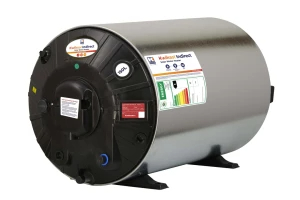

Knowing how to empty a Kwikot geyser properly can save you from a big mess and possibly an expensive plumber call. It is a job that handy homeowners can manage themselves, but there are a few things you absolutely need to get right before you open any valves.
Most people only think about their geyser when something goes wrong. Whether it is a strange knocking sound at midnight, a slow drip from the pressure valve, or a burst that floods the ceiling, that is usually when the panic sets in. If you are here, chances are you need to drain your unit before a repair, replace an element, move the geyser, or deal with a water quality issue.
Quick answer
Draining a Kwikot geyser involves switching off the power, closing the cold water supply, opening a hot tap to break the vacuum, and then attaching a hose to the drain valve at the base of the unit. The full process usually takes between 30 minutes and a couple of hours depending on the tank size, typically 100, 150, or 200 litres in South African homes.
Why you might need to drain your geyser
There are several situations that call for a full drain. Replacing a heating element is probably the most common reason. You cannot pull an element out of a tank full of water without making a serious mess and potentially damaging the electrical components. The same goes for replacing a thermostat, inspecting the sacrificial anode, or flushing out sediment that has built up at the bottom of the tank over years of use.
Sometimes a plumber will request that you drain the tank ahead of their visit to save on time and therefore on the labour bill. Other times the geyser is simply being relocated or removed entirely. Whatever the reason, the process is largely the same.
What you will need before you start
Before you begin, gather the following: a garden hose long enough to reach a drain point or outside, a flat-blade screwdriver, a towel or two, and a bucket for any residual drips. If the water in your geyser is going to be hot, be careful. Many South Africans set their geysers between 55 and 65 degrees Celsius, and water at that temperature causes serious burns quickly. If possible, switch the geyser off the evening before and let it cool overnight. That is a step most people overlook and it matters more than you think.
Step-by-step: how to empty a Kwikot geyser
Step 1: Switch off the power at the main distribution board. Find the dedicated geyser breaker in your DB box and flip it off. Never skip this step. Working around a live element is dangerous and can cause electrocution.
Step 2: Close the cold water supply to the geyser. There should be an isolation valve on the cold inlet pipe leading into the unit. It is usually a gate valve or ball valve located close to the geyser itself, often in the roof space. Turn it clockwise until it stops.
Step 3: Open a hot tap somewhere in the house, ideally the one closest to the geyser. This breaks the vacuum inside the tank and allows water to flow out freely. Without this step, you will struggle to get much water out at all because air cannot get in to replace it.
Step 4: Locate the drain valve. On most Kwikot geysers this is a small valve near the bottom of the tank, sometimes covered by a small plastic cap. It looks similar to a garden tap fitting or a standard hose fitting depending on the model. Attach your garden hose securely to this valve and run the other end to a suitable drain point, outside or into a drain in the roof space if one is accessible.
Step 5: Open the drain valve slowly. Water should start flowing through the hose. It may come out fast at first and then slow to a trickle. Let it run until the flow stops completely. On a 150-litre geyser, this can take 20 to 40 minutes.
Step 6: Once the tank is empty, double-check by opening the drain valve fully and waiting. Some sediment may also come out at this point, especially in older units or in areas with hard water, which is common in Gauteng and the Western Cape.
Understanding the pressure control valve and vacuum breaker
Here is where a lot of DIY jobs go sideways. The pressure control valve (PCV) on a Kwikot geyser sits on the cold water inlet side. It controls the pressure going into the tank and should not be confused with the temperature pressure relief valve (T&P valve), which is the safety valve that releases water if the pressure gets too high.
Some Kwikot installations also have a vacuum breaker fitted, which prevents back-siphoning and helps air enter the system during drainage. If yours has one, drainage will be easier. If it does not, keeping a hot tap open is critical. That is usually where things go wrong when homeowners try to rush the process.
When to call a professional
If the drain valve is seized and you cannot open it without forcing it, stop. Forcing a corroded valve on an older geyser can cause it to snap off, which then becomes an emergency repair. A plumber with the right tools can usually free a stubborn valve without creating a bigger problem.
Similarly, if your geyser is older than 10 years and you are draining it to replace an element, it is worth having a plumber assess the overall condition of the unit while they are there. The anode rod, the internal lining, and the connections all deteriorate over time, and replacing one part on a failing unit is sometimes just a temporary fix.
Cost of geyser repairs and draining in South Africa
This is where it gets real. If you are calling a plumber out just to drain the geyser before an element replacement, expect to pay somewhere between R400 and R800 for the call-out and time, depending on your area and the time of day. After hours or weekend rates can push that closer to R1,200 or more.
Replacing a geyser element itself typically costs between R600 and R1,500 including parts and labour, with Kwikot elements usually ranging from R150 to R400 depending on the wattage and whether it is a standard or flanged type. Thermostats run about R200 to R500 fitted.
If you are draining the geyser yourself before the plumber arrives, you could potentially save R400 to R600 on labour. That is a decent saving and not an unreasonable job for someone comfortable with basic home maintenance.
Full geyser replacements in South Africa run anywhere from R4,500 to R12,000 installed, depending on tank size, brand, and accessibility. Kwikot is one of the more trusted local brands with wide parts availability, which keeps repair costs slightly lower than some imported alternatives.
Common mistakes when draining a geyser
Not switching off the power is the biggest and most dangerous mistake. Even with the water draining out, leaving a live element exposed to partial water or steam is a serious hazard.
Forgetting to open a hot tap is the second most common error. People attach the hose, open the valve, and then wonder why almost nothing comes out. The vacuum inside the tank prevents flow unless air can enter from somewhere.
Not checking where the water is going before opening the valve is another one. If your hose is not properly positioned or the drain point gets blocked, you can end up with water flooding the roof space or the ceiling cavity.
Trying to drain a very hot tank too quickly is also worth avoiding. The sudden release of very hot water under pressure can be unpredictable. Let the geyser cool down if you have time.
Sediment and water quality
In many South African municipalities, particularly in areas with older infrastructure or borehole-reliant properties, geyser sediment can be significant. If the water coming out of the drain valve looks brown or carries particles, it is a sign that flushing the tank more regularly would benefit you. Most manufacturers recommend flushing annually, though very few homeowners actually do this.
If you are on borehole water or the municipal supply in your area is known for high mineral content, consider flushing every six to twelve months. It extends element life and keeps the tank working more efficiently.
Refilling after draining
Once the work inside the tank is done, the process is essentially reversed. Close the drain valve, remove the hose, close the hot tap you left open, and slowly reopen the cold water supply valve. Let the tank fill fully before switching the power back on. This is important. Switching on the power while the tank is partially empty or dry will burn out the element almost immediately.
You will know the tank is full when the hot taps you left open start running water steadily again. Close them, then head back to the DB board and flip the geyser breaker back on.
Practical tip most people miss
Label your geyser isolator valve before you close it. It sounds obvious, but after spending two hours in a hot roof space and getting the job done, it is easy to forget exactly which valve is which. A small piece of tape with a marker note can save confusion later, especially if someone else in the house needs to deal with the geyser down the line.
Read more: How to install a Kwikot geyser blanket
If you are going to attempt how to empty a Kwikot geyser yourself, this guide covers everything you realistically need to know. The process is manageable for most homeowners, but the key is preparation, patience, and respecting the risks involved with hot water and electricity. When in doubt, getting a qualified plumber to handle the drainage as part of a broader repair job is always the safer call, and in South Africa, a good plumber’s time is worth every rand when it prevents a ceiling collapse or an electrical incident.