
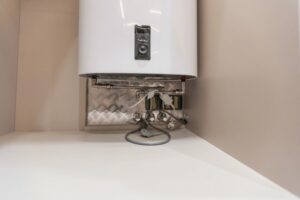

The gas geyser vs solar geyser debate comes up a lot right now, and honestly, it makes sense. With electricity costs climbing every year and load shedding still being a very real part of life for most South African households, people are looking hard at alternatives to the standard electric geyser. The problem is, both options sound great on paper, but the reality of living with each one is a bit more nuanced than the brochures suggest. Whether you are building a new home, replacing a broken geyser, or just trying to cut down your electricity bill, choosing the right water heating system is one of those decisions that can save you money for years, or cost you more than you bargained for if you get it wrong.
Most people only start thinking seriously about this when their existing geyser packs up at the worst possible time, usually early on a winter morning. So if you are already in that situation, here is a straightforward breakdown of what each option involves, what it costs, and which one might work better for your specific setup.
Quick answer: what is the main difference?
A gas geyser heats water on demand using LPG or natural gas. It runs independently of Eskom and has no tank, which means you get hot water immediately when you open the tap. A solar geyser uses roof-mounted collectors to absorb heat from the sun and transfers that energy into a storage tank. It works quietly in the background and can dramatically cut your electricity use, but it does rely on sunlight and typically needs a backup element for cloudy days or high demand periods.
Neither system is universally better. The right choice depends on your household size, location, roof space, budget, and how often you use hot water through the day.
How each system works in a real home
A gas geyser is a tankless, instantaneous system. Cold water flows in, gets heated by a gas burner, and hot water comes out the other side. There is no storage tank, which keeps the unit compact and eliminates the standby heat loss you get with traditional systems. Most gas geysers used in South African homes run on LPG cylinders, though some areas have access to piped natural gas. The units themselves are wall-mounted and relatively small, which makes them popular in flats, townhouses, and homes where roof space or structural considerations rule out a solar installation.
The ongoing cost is the gas itself. A standard 9 kg LPG cylinder typically costs between R200 and R280 in most parts of South Africa, and a family of four using gas exclusively for hot water might go through one cylinder roughly every three to four weeks, depending on usage habits. Some households install larger 48 kg tanks to reduce how often they need refills.
A solar water heating system typically consists of flat-panel or evacuated tube collectors installed on the roof, connected to an insulated storage tank. During daylight hours, the collectors absorb solar energy and heat the water passively. Most systems in South Africa use either a direct or indirect configuration. Indirect systems use a heat-transfer fluid and are generally better for areas that occasionally see frost, though most of the country does not need to worry too much about that.
The thing most people overlook is the backup element. Almost all solar geysers come with an electrical element inside the tank for days when there is not enough sun. This means you are not completely off the grid, but in a sunny region like most of South Africa, the backup should only kick in occasionally. If yours is running constantly, something is likely wrong with the collector setup or the tank sizing.
Cost breakdown: what are you actually looking at?
Gas geyser supply and installation of a standard unit (16L to 20L) typically runs between R4,000 and R9,000. Installation labour adds another R1,500 to R3,000 depending on complexity, and gas cylinder connections and fittings can cost R500 to R1,500. The ongoing gas cost for a family of four is roughly R600 to R1,000 per month, and annual servicing runs R500 to R1,200.
Over a five-year period, those running costs add up significantly. That is not ideal if you are trying to reduce long-term household expenses, but the lower upfront cost makes gas geysers accessible for households that cannot afford a larger solar investment right now.
For solar, an entry-level flat panel system with a 150L tank will cost R9,000 to R14,000 fully installed. A mid-range evacuated tube system with a 200L tank sits at R14,000 to R22,000, and a premium system with quality components can reach R35,000 or more. Installation labour adds R2,500 to R5,000, and annual maintenance like panel cleaning and pressure checks costs R500 to R1,000.
Solar has a higher upfront cost but much lower running costs. Most homeowners see a meaningful reduction in their electricity bill within the first year, and the system can pay for itself within five to eight years depending on usage and energy prices. Some municipalities and banks also offer rebates or green financing options that can reduce the initial outlay.
Honest pros and cons of each option
Gas geysers work during load shedding without any additional setup, which is a genuine advantage in South Africa right now. They have a lower upfront cost, are compact and easy to install in most spaces, and deliver instant hot water. They work well for smaller households or low hot water usage situations.
The downside is the ongoing gas cost, which is the biggest drawback for most families. You need to manage cylinder replacements or arrange bulk refills, the unit requires adequate ventilation which can complicate installation, and gas prices can increase over time. For very high-volume households, a single gas unit can also struggle to keep up.
Solar geysers have very low running costs after the initial investment, and South Africa has excellent solar resources across most of the country. They can significantly reduce electricity consumption, have a lifespan of 15 to 20 years or more with proper maintenance, and add value to the property.
On the downside, the upfront cost is higher, you need suitable roof orientation (ideally north-facing), and the backup element still draws electricity during extended overcast periods. The system is also not load-shedding proof unless you have an inverter or battery powering the backup element.
Common mistakes people make when choosing between the two
One of the most common mistakes is choosing based on upfront price alone. A gas geyser might seem cheaper until you add up three years of cylinder costs. On the other hand, buying the most expensive solar system on the market does not guarantee better performance if it is oversized for your household or installed on a poorly oriented roof.
Another issue that comes up regularly is people buying a solar geyser with a tank that is too small. A 150L tank might be fine for two people, but a family of five will drain it and be left relying on the backup element more often than not. That essentially turns your solar geyser into an electric geyser that happens to have panels on the roof.
With gas, the common error is underestimating the ventilation requirements. Some homeowners try to tuck a gas geyser into a small enclosed space to keep it out of sight, and that is usually where things go wrong. Gas units need proper airflow to operate safely and efficiently, and a poorly ventilated installation can be a serious hazard.
It is also worth knowing that solar installations on homes with old or weak roofing can run into complications. The combined weight of the panels and a full water tank is considerable. If your roof is showing its age, you may need reinforcement work done first, which adds to the overall cost.
How to choose the right option for your situation
If you have a limited upfront budget but can absorb ongoing running costs, gas is more accessible. If you can invest R15,000 or more upfront and want to reduce monthly expenses over time, solar makes more financial sense in the long run.
For one or two people in a flat or small home, a gas geyser often makes practical sense. For a larger family with consistent high hot water demand, a well-sized solar system will almost always win on long-term cost.
Body corporate rules in sectional title schemes often restrict what you can install on a roof. If you are in a complex, check before you commit to anything. Gas is generally easier to get approved in those settings.
A gas geyser runs completely independently of Eskom, which is a real advantage for households without a generator or inverter. A solar geyser reduces overall electricity consumption, but the backup element will not work during load shedding unless you have an alternative power source.
South Africa is exceptionally well suited to solar water heating. Even in cloudy coastal areas like parts of KwaZulu-Natal or the Eastern Cape, the solar resource is generally good enough to make solar geysers viable. The Western Cape and Gauteng are particularly strong performers.
Getting it installed properly matters a lot
Whichever system you go with, installation quality has a big impact on performance and safety. Gas geysers must be installed by a qualified gas practitioner registered with LPGSASA. A certificate of compliance is required by law and is important for insurance purposes.
Solar geyser installations should be carried out by a PIRB-registered plumber or an experienced solar installer. Some municipalities have offered rebates for solar water heater installations, though the availability of these programmes changes, so it is worth checking what is current in your area.
Get at least two or three quotes, and do not automatically go with the cheapest. Ask specifically about the components being used, the warranty on the panels and tank, and what the service schedule looks like after installation.
Read more: How to connect solar panel to existing geyser
The honest answer is that there is no single winner in the gas geyser vs solar geyser comparison. Gas works well for renters, people in flats, or households with a limited upfront budget. Solar is the stronger long-term option for homeowners across most of South Africa, especially where roof orientation and size allow for a proper installation.
A well-sized solar water heating system will reduce your electricity bill meaningfully and pay for itself over time. Gas gives you more flexibility and a lower entry cost, but you will be spending on fuel indefinitely. Whatever you decide, take the time to get proper quotes, check the installer credentials, and size the system correctly for your household. That last part is something a lot of people rush past, and it is usually where the regrets come from.