
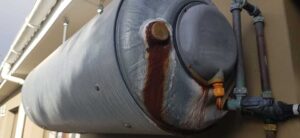

There is nothing quite like the shock of waking up on a cold morning stepping into the kitchen for a coffee, and finding a steady stream of water dripping through your ceiling boards. It is a classic South African homeowner nightmare. We tend to tuck these large metal tanks away in our roofs and forget they exist until something goes spectacularly wrong.
Understanding what causes a geyser to burst is the first step in making sure you aren’t left with a flooded house and a massive insurance claim. Most people only notice their geyser when it stops working or when the passage starts looking like a water park. By then, the damage is usually done, and you are looking at a messy cleanup.
Quick Answer
A geyser usually bursts because of excessive pressure buildup, severe internal corrosion, or a faulty T&P (Temperature and Pressure) safety valve. When the tank can no longer contain the force of the water or the metal has thinned out too much due to rust, the structure fails, leading to a rupture or a “burst.”
The Pressure Problem
Pressure is the most common culprit when we talk about catastrophic failures. Your geyser is essentially a pressurized vessel. As water heats up, it expands. Under normal circumstances, your pressure control valve handles this expansion by releasing small amounts of water through the overflow pipe. You might have noticed a little bit of dripping outside your house from a clear plastic pipe; that is actually a good sign. It means the system is breathing.
However, if that pressure control valve fails or gets stuck, the pressure inside the tank starts to climb. If the safety T&P valve on the geyser itself is also old or blocked by scale, the tank becomes a ticking time bomb. Eventually, the steel simply cannot hold the force anymore. It is not always a literal explosion like you see in movies, but the metal will split, and hundreds of litres of hot water will pour into your ceiling. That is usually where things go wrong for your furniture and electronics.
Corrosion and Sediment
South Africa has varying water quality depending on where you live. In some areas, the water is “hard,” meaning it carries a lot of minerals. Over years of service, these minerals settle at the bottom of the tank as sediment. This creates a layer of sludge that acts as an insulator between the heating element and the water. The element has to work twice as hard and get much hotter to heat the water, which stresses the metal tank.
More importantly, corrosion is a silent killer. Every electric geyser has a sacrificial anode rod inside it. This rod is designed to corrode so that the tank doesn’t. Its whole job is to be the “sacrificial lamb” for rust. Once that rod is completely eaten away, the water starts attacking the steel walls of the geyser. Once the rust eats deep enough, the structural integrity of the hot water system is compromised, and a leak or burst is inevitable. It’s not ideal, but most people never replace this rod, which is why most geysers only last five to eight years.
Faulty Thermostats
The thermostat is the brain of your water heating system. It tells the element when to turn on and when to shut off once the water reaches your desired temperature, usually around 60 degrees Celsius. If a thermostat fails in the “on” position, the element will keep heating the water indefinitely.
When water boils, it turns into steam, and steam creates immense pressure. If your safety valves are working, you will see a massive amount of steam and boiling water pouring out of your overflow pipe. If those valves are faulty and the thermostat has run away, the geyser will eventually burst from the sheer force of the steam. This is why you should never ignore a geyser that sounds like it is boiling or making loud knocking noises.
Poor Installation Practices
Sometimes the issue isn’t the geyser itself but how it was put in. We see a lot of “weekend warrior” installations or budget jobs where the plumber skipped a few steps. For instance, if the geyser is not installed with the correct vacuum breakers, a vacuum can form inside the tank when the water supply is cut off. This can actually cause the tank to collapse inward or “implode,” which is just as destructive as a burst.
In South Africa, SANS 10254 regulations are very specific about how these units must be installed, including the use of drip trays and proper drainage. If your geyser doesn’t have a drip tray, a small leak that could have been a simple repair turns into a ruined ceiling and a collapsed roof. In most homes, a standard electric geyser is usually enough, but it has to be fitted correctly to be safe.
How to Tell if Your Geyser is About to Go
You don’t always get a warning, but there are a few red flags. If your hot water starts looking rusty or brownish, that is a clear sign of internal corrosion. If you hear rumbling, popping, or knocking sounds coming from the ceiling, that is usually a sign of heavy sediment buildup or overheating.
Another big sign is a sudden change in water pressure or temperature. If the water is suddenly scalding hot, your thermostat is likely on its way out. If you see water marks on your ceiling or damp spots on the walls near the geyser cupboard, you need to act immediately. A small drip is often just the precursor to a full-scale burst.
When to Call a Professional
If you suspect any of the issues above, do not try to DIY the internal components of a geyser. Dealing with high-pressure water and 220V electricity is a dangerous combination. You should call a qualified plumber if:
- You see water leaking from your ceiling or the overflow pipe is running constantly.
- The water is not getting hot or is dangerously hot.
- You hear strange noises from the roof.
- Your electricity bill has spiked for no apparent reason.
- The geyser is older than seven years and has never been serviced.
Cost of Repairs and Replacement in South Africa
Replacing a geyser is a significant expense, and prices have climbed over the last few years. If you are lucky and only need a small repair, the costs are manageable.
Typical Repair Costs:
- Replacing a Thermostat: R800 to R1,500 including labour.
- Replacing a Heating Element: R1,200 to R2,000.
- Replacing a Pressure Control Valve: R1,500 to R2,500.
- General Service (Anode replacement): R1,500 to R2,200.
Replacement Costs: If the geyser has actually burst, you are looking at a full replacement. For a standard 150-litre high-pressure electric geyser (the most common size for a family of 3 or 4), you can expect to pay:
- Unit only: R4,500 to R7,000 depending on the brand (Kwikot, Ariston, etc.).
- Full Installation: R8,500 to R13,000. This should include the geyser, new valves if needed, a drip tray, vacuum breakers, and the plumbing labour.
Be wary of quotes that seem too cheap. A proper installation needs to be done by a PIRB-registered plumber so that you get a Certificate of Compliance (COC). Without that COC, your insurance company might refuse to pay out if the new geyser causes damage later on.
Common Mistakes Homeowners Make
The biggest mistake is ignoring the maintenance. Most people treat a geyser like a “set and forget” appliance. You really should be having your geyser serviced every two to three years. Replacing that sacrificial anode rod for a couple of thousand Rand can easily double the lifespan of your geyser, saving you R10,000 down the line.
Another mistake is turning the geyser on and off every day to “save electricity.” While this can save a little bit of money, the constant heating and cooling causes the metal tank to expand and contract repeatedly. This “thermal cycling” can actually weaken the welds over time and lead to premature fatigue. It is often better to just install a geyser blanket and a timer that manages the temperature more gradually.
Lastly, people often set their thermostats too high. Setting it to 70 or 80 degrees doesn’t just waste electricity; it increases the pressure and accelerates scale buildup. Keeping it at 55 or 60 degrees is the sweet spot for safety and longevity.
Prevention Tips
If you want to avoid the mess of a burst geyser, follow these simple steps:
- Check the overflow: Once a month, look at the pipes sticking out of your wall outside. If they are dripping constantly or gushing water, call a plumber.
- Install a drip tray: If you have an older home, check if your geyser actually has a tray under it with a drain pipe leading outside. This won’t stop a burst, but it will save your ceilings.
- Know where your shut-off is: You should know exactly which switch in your DB board is for the geyser and where the main water intake valve is. If it bursts, you need to kill the power and water immediately.
- Replace the anode: Set a reminder on your phone to have the anode rod checked every two years.
Read more: How to install a gas geyser
Knowing what causes a geyser to burst helps you spot the warning signs before you are wading through water in your lounge. It is one of those household chores that isn’t exciting, but being proactive is much cheaper than dealing with the aftermath of a burst tank. Keep an eye on those temperatures, listen for weird noises, and don’t be afraid to call in a pro for a quick service. It is a small price to pay for peace of mind and a dry house.
Most people overlook this, but a little bit of maintenance goes a long way in the South African climate. What causes a geyser to burst is usually a combination of time and neglect, but with the right care, you can keep your hot water running safely for years.